
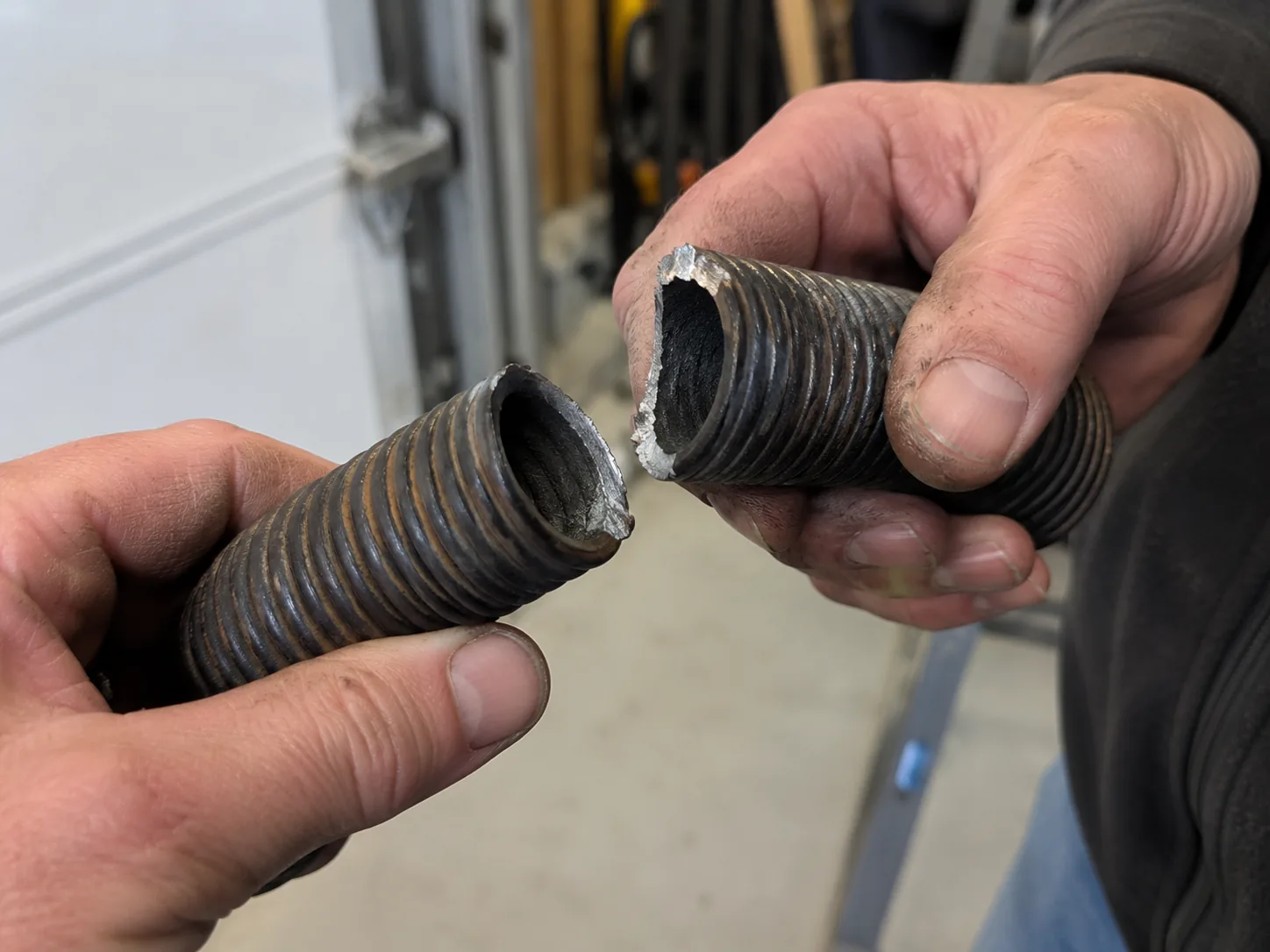
Worn Garage Door Springs
Garage door springs eventually reach the end of their useful cycle life after years of repeated opening and closing.
Local garage door service · Port Orchard, WA
Garage door repair and installation for Port Orchard homes built mostly between 1962 and 1997, covering cable repair, emergency service, maintenance, roller replacement, spring repair, and the older mixed-generation hardware common across the area.
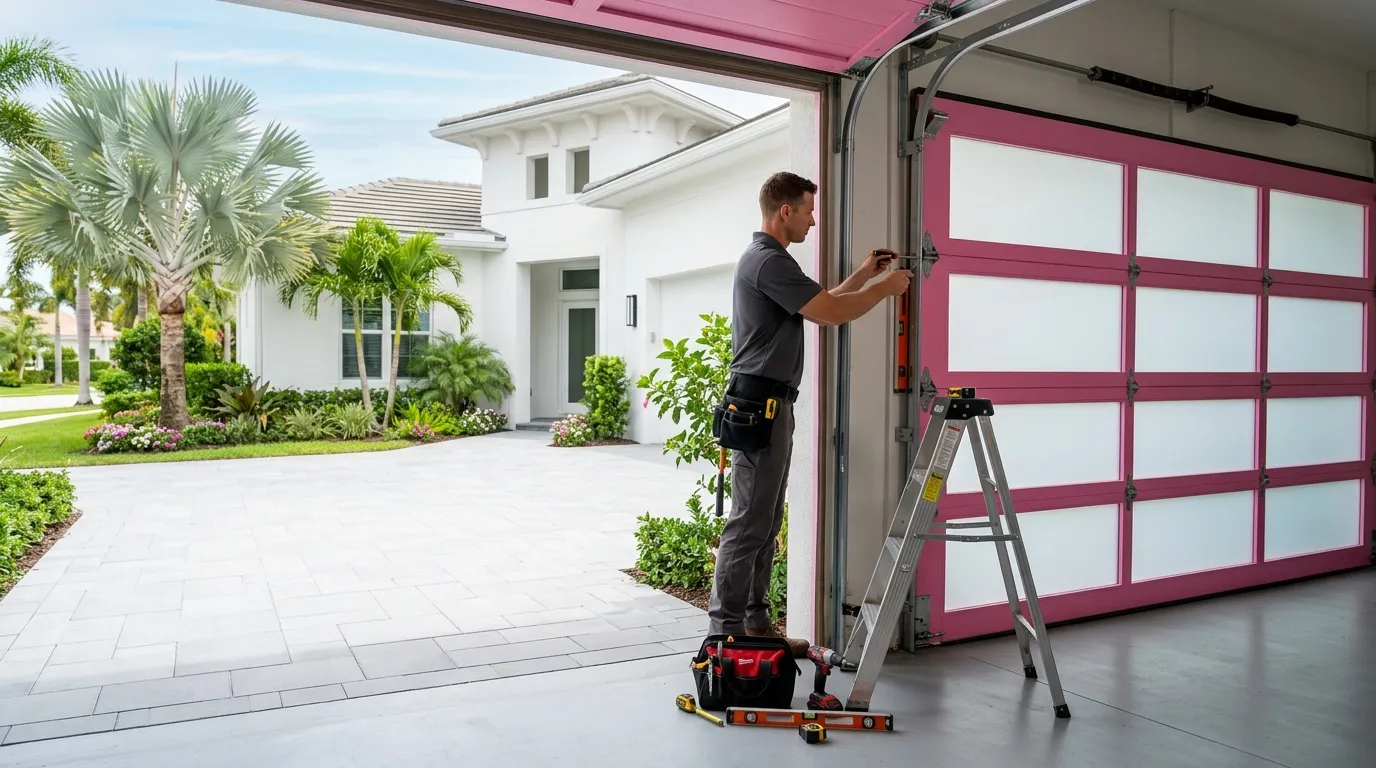
Garage door services
From cable repair and emergency service to installation, maintenance, roller replacement, spring repair, and general garage door work, the lineup is built around the older and mixed-generation systems common across Port Orchard.
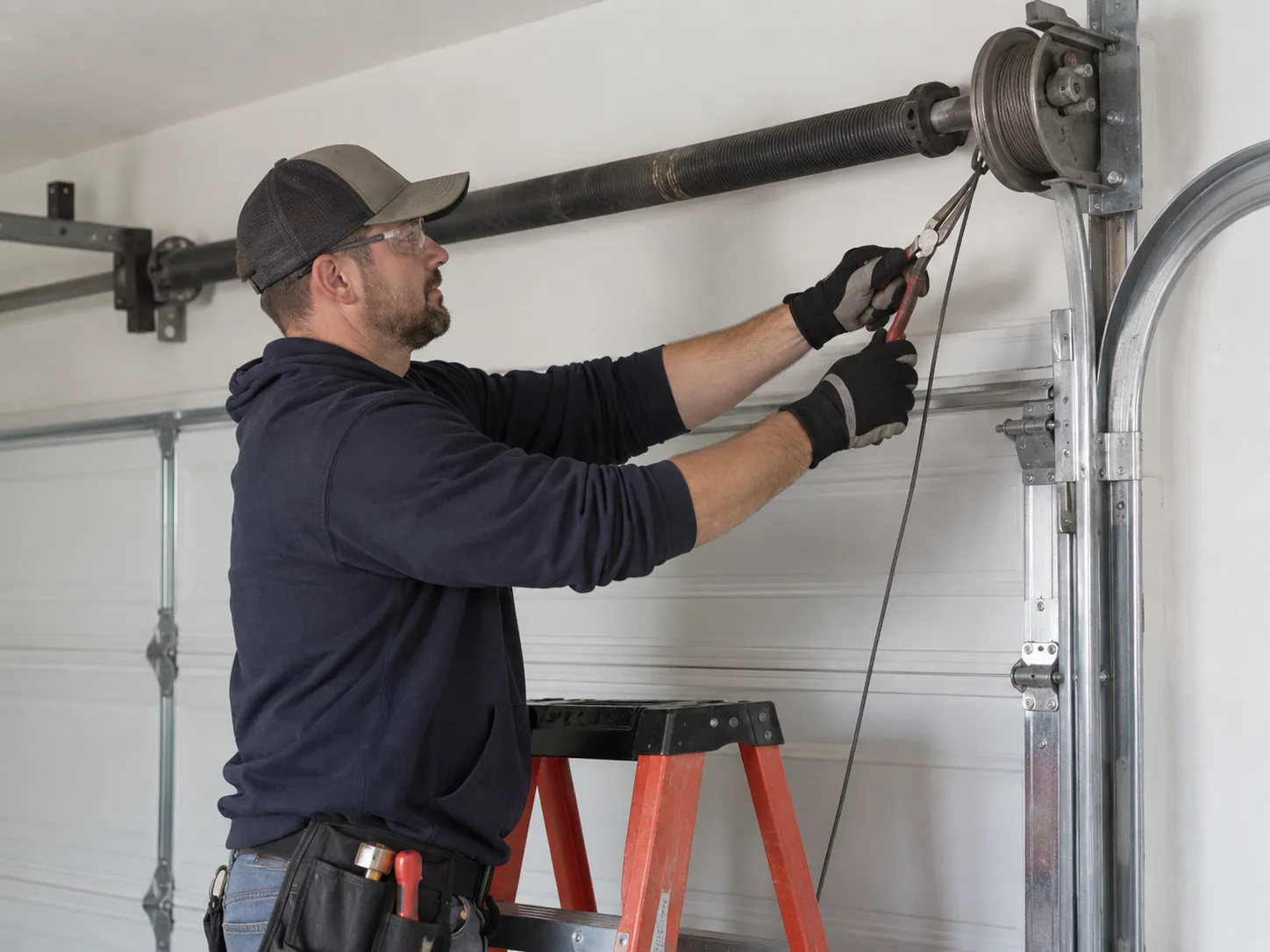
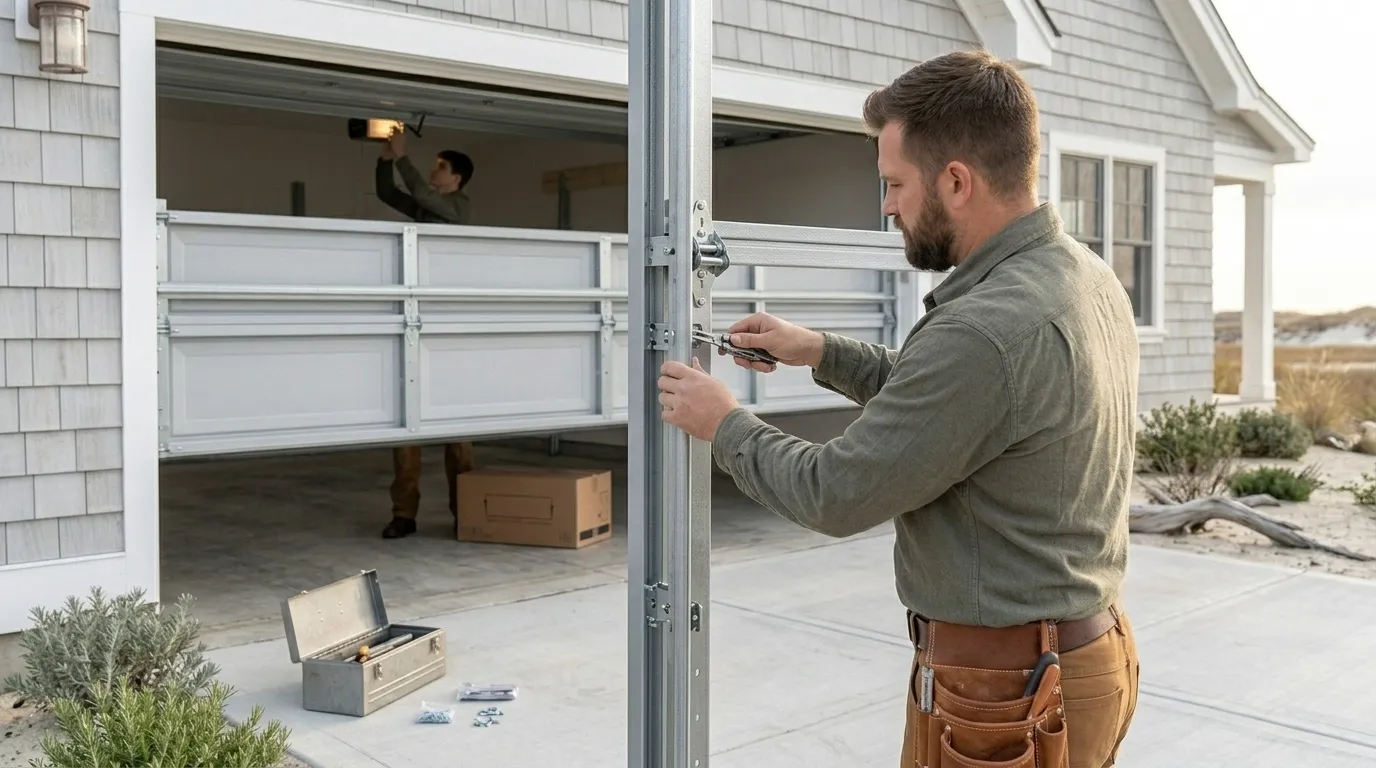
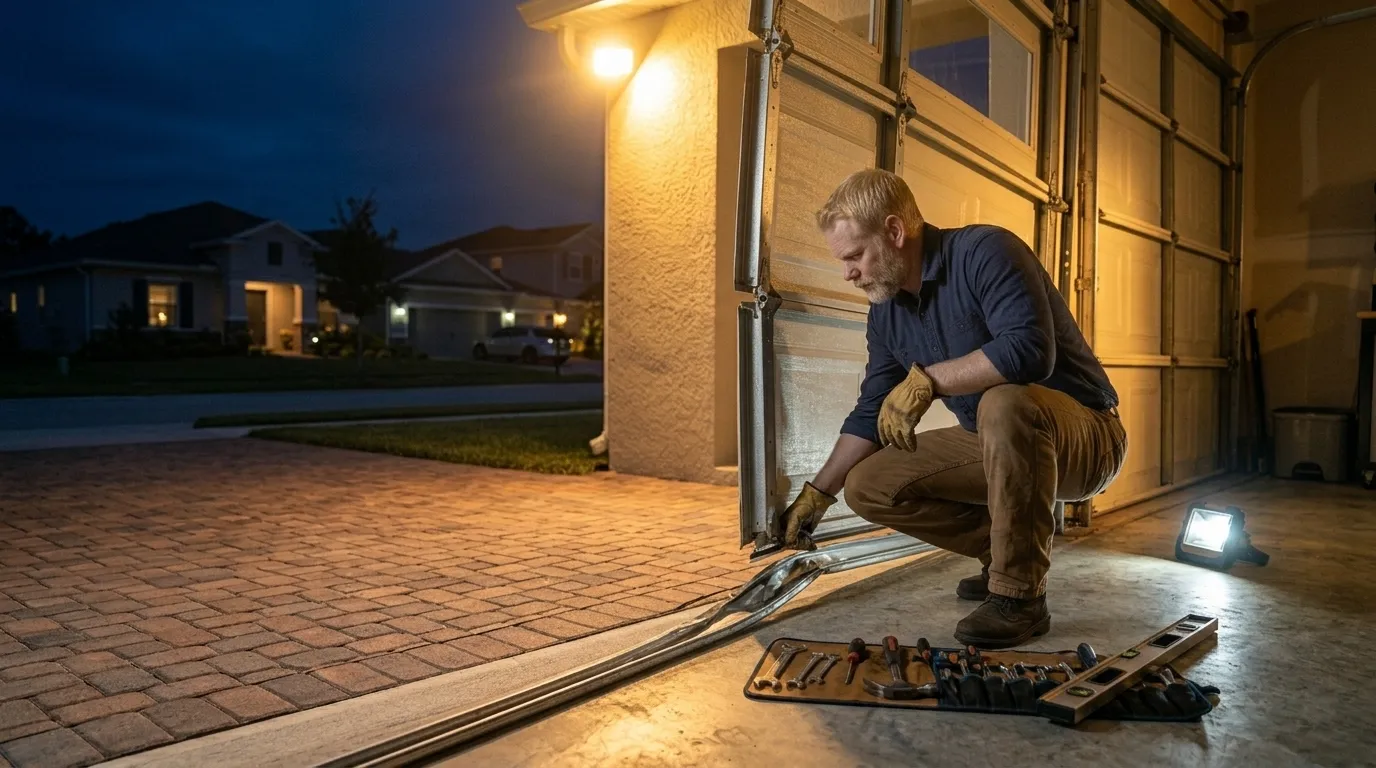
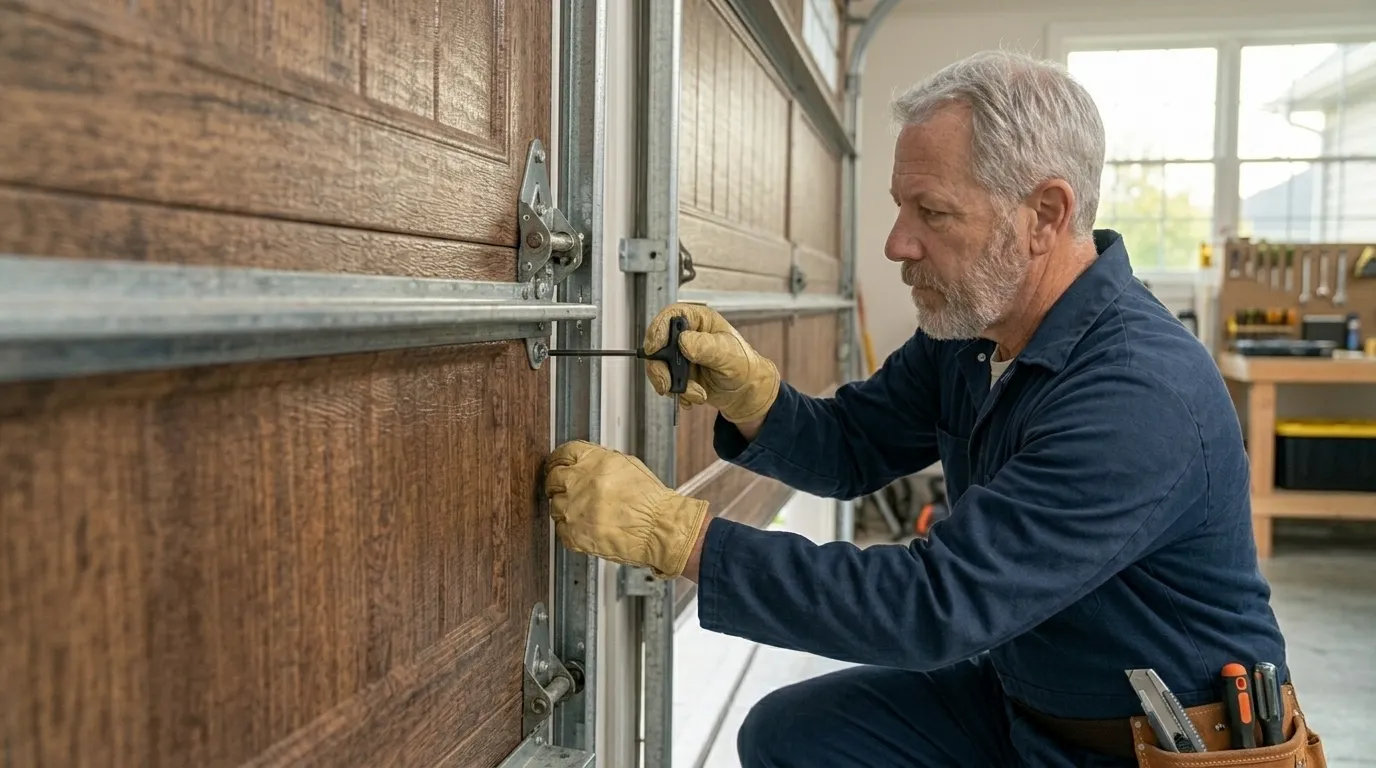
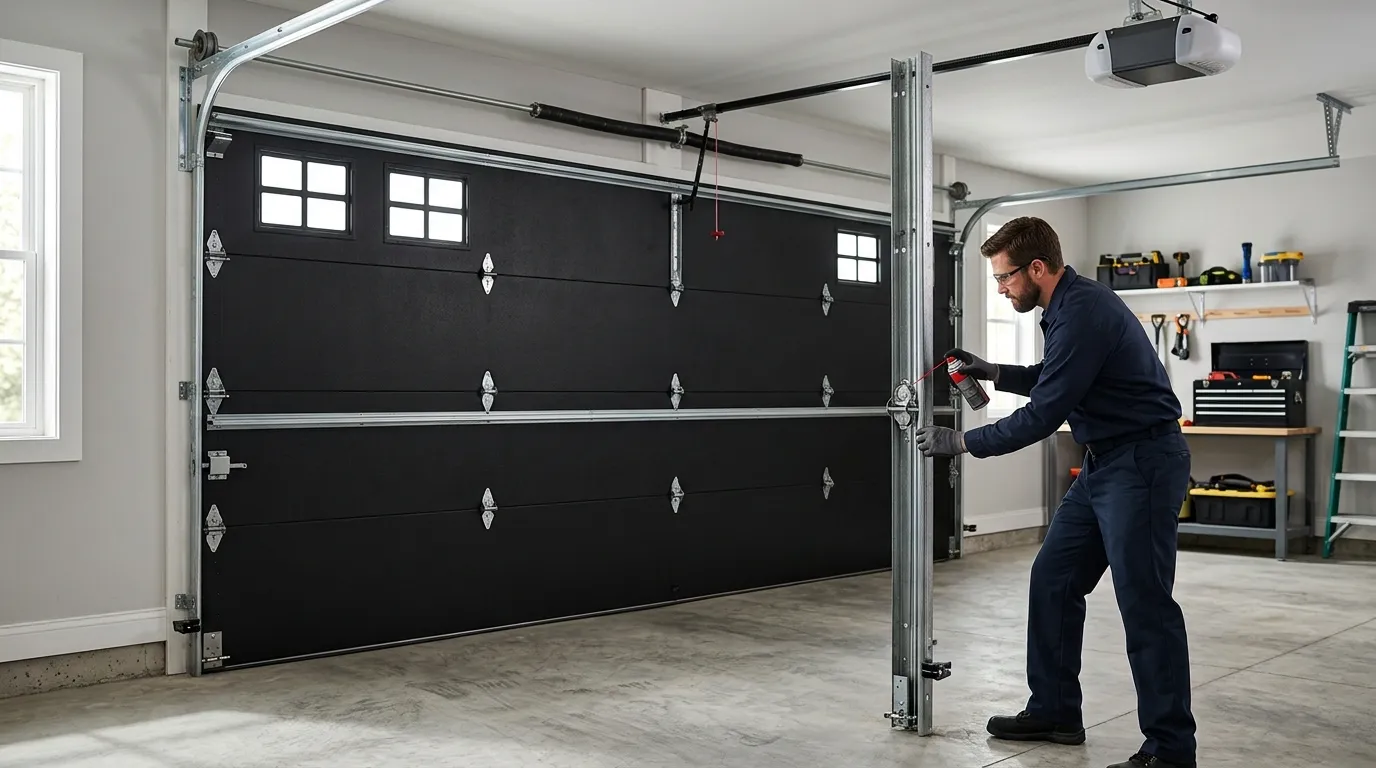
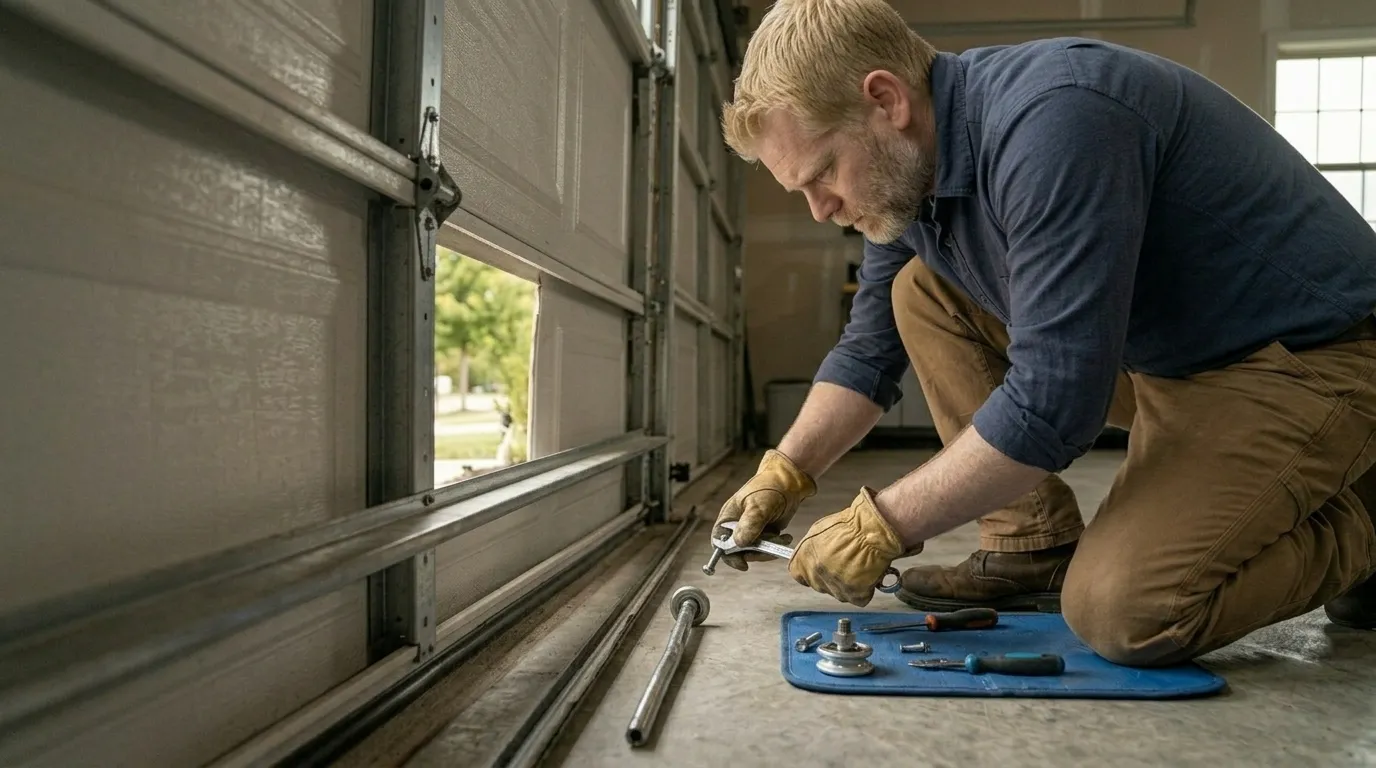
Clear repair guidance
There isn't one flat repair price, because spring work, cable repair, roller replacement, opener problems, maintenance, and complete door replacement involve different parts and labor.
Door age, spring configuration, track condition, roller wear, cable condition, opener age, and whether older hardware needs adapting to current parts can all change the scope.
Median household income across the broader service area runs around $102,693, but the price still comes from the door in front of us.
We inspect the actual door and provide the number before work starts rather than quoting sight unseen.
When repair costs approach a substantial share of a comparable replacement, replacement may be worth discussing instead of continuing to patch an aging system.
Common Port Orchard garage door problems
Worn springs, roller wear, aging openers, cable problems, track corrosion, and mixed-generation hardware make up much of the work across Port Orchard's 1960s-90s housing stock. Spring failure is a recurring issue on older doors that have accumulated decades of operating cycles; rollers wear grooves or develop rough travel on older steel tracks, particularly when lubrication has been neglected; older chain-drive openers become difficult to repair as specific parts get harder to source; and cables and surrounding lifting hardware develop wear after years of use — so the correct repair depends on inspecting the full system rather than assuming the first noisy or broken component is the only problem.
Garage door springs eventually reach the end of their useful cycle life after years of repeated opening and closing.
Older rollers can become noisy, rough, damaged, or resistant after years of regular track travel.
Older opener motors, gears, controls, and drive components can eventually develop operating problems or become harder to source parts for.
Cables can fray, loosen, slip, or fail after years of carrying repeated lifting loads.
Long-term moisture exposure can contribute to surface corrosion and rough travel on older steel tracks and hardware.
Repair or replace?
An older garage door is not automatically a replacement candidate. Repair remains practical when the panels, tracks, opener, and supporting hardware are sound, while replacement becomes more sensible when several major components are deteriorating together.
A targeted repair can make sense when the panels, tracks, opener, rollers, and surrounding structure remain serviceable.
An older door can remain worth keeping when the structure and surrounding hardware continue to operate reliably.
Replacement becomes more practical when corrosion, damage, or repeated repairs leave the track unable to hold reliable alignment.
When panels, tracks, opener hardware, springs, and cables are all requiring major work, broader replacement can offer better long-term value.
Local housing matters
The broader source service area is dominated by homes built between 1962 and 1997, with a median build year around 1984.
That creates a large number of garages with older tracks, spring systems, rollers, cables, steel sectional doors, and chain-drive openers that may have been repaired or updated at different times.
The source references approximately 43,074 households across the broader area, including about 26,986 owner-occupied houses.
East Port Orchard, Parkwood, Manchester, Southworth, and Tracyton are described as sharing much of the same housing era and garage door hardware patterns.
The build year provides useful context, but the correct repair depends on the system actually installed today.
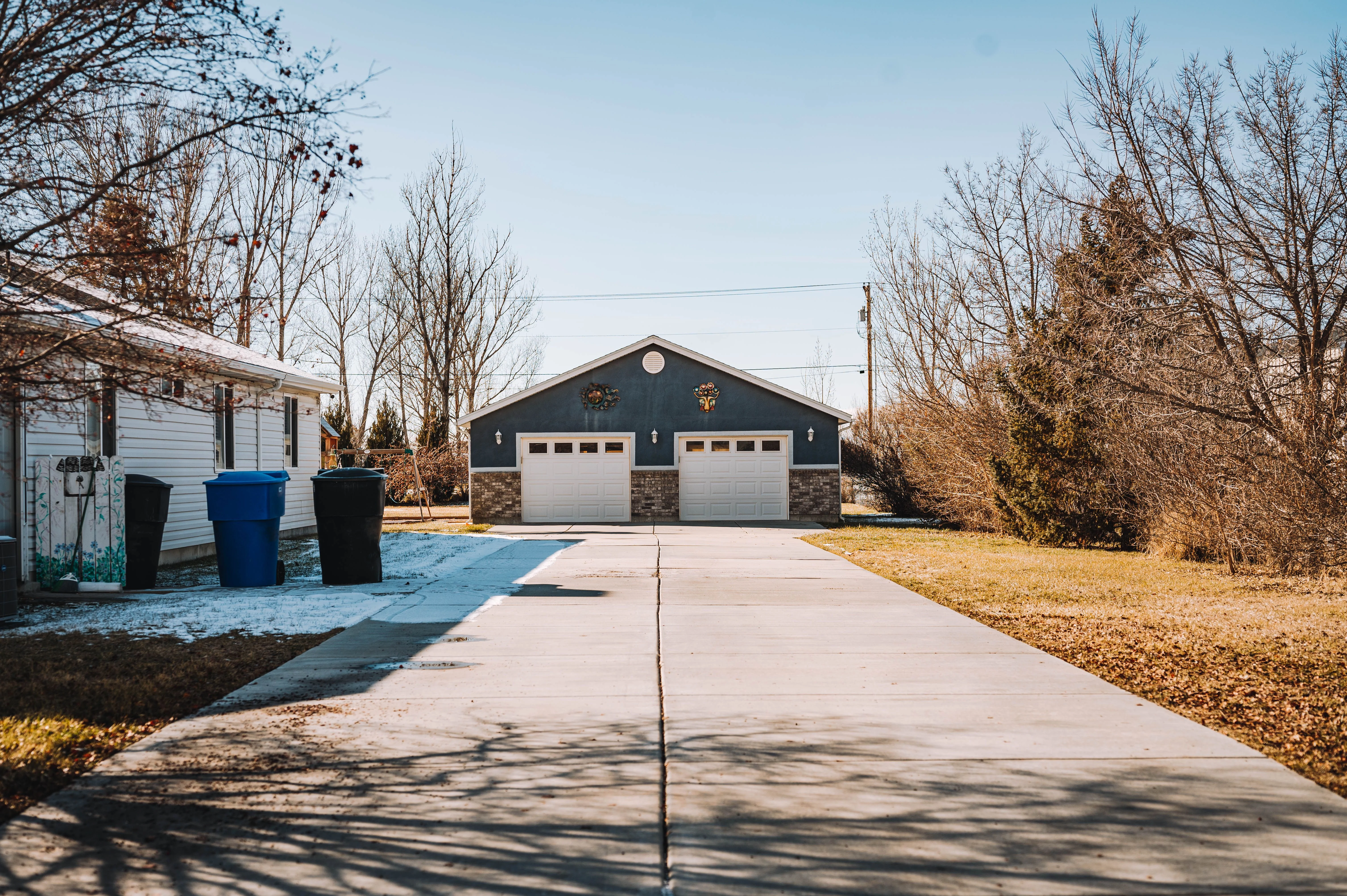
1960s–90s garage door systems
Homes built across several decades can combine older track dimensions, legacy spring hardware, replacement openers, newer rollers, and several generations of repair work.
Older spring configurations are common across many Port Orchard-area garage doors.
Tracks can remain from the original installation even after rollers, springs, openers, or door sections have been replaced.
A garage may have a newer opener or rollers while retaining much older tracks, cables, springs, or panels.
Original or early replacement chain-drive units can become harder to repair as specific parts become less available.
Local garage door wear
The local climate is mild with occasional freezes, so most wear comes from long-term moisture exposure, corrosion, lubrication, component age, and routine mechanical use rather than severe winter conditions.
Long-term moisture exposure can contribute to surface rust on older steel tracks, brackets, hinges, and fasteners.
Worn rollers and rough track surfaces can gradually make an older garage door noisier or harder to move.
Repeated opening and closing remains the main source of long-term spring fatigue on local doors.
An opener can work harder when springs, rollers, tracks, or balance problems are already making the door difficult to move.
Keep the system moving
Periodic inspection can help identify spring fatigue, cable wear, roller problems, track corrosion, opener strain, and hardware looseness before a small issue becomes a complete failure.
Changes in door balance can indicate the spring system is no longer carrying the door as effectively as it should.
Fraying, rough travel, looseness, or visible roller wear can point to developing lifting and guidance problems.
Tracks, brackets, hinges, and mounting points can be checked for corrosion, movement, looseness, or long-term wear.
Changes in sound, travel, reversing, or control response can provide early signs of opener trouble.
What to expect
We start with what the door is actually doing, inspect the complete door rather than the first symptom, explain the actual repair with a specific number, and compare repair with replacement when the system warrants it.
Tell us whether the door won't open, makes a grinding sound, the opener runs without moving it, or another operating problem has appeared.
We check the springs, tracks, rollers, opener, panels, and surrounding hardware rather than focusing only on the first symptom.
We identify what is really wrong and give a specific number for the job before work begins.
If the existing door is still sound, the repair stays targeted. If several major components are deteriorating together, replacement can be discussed as an alternative.
No Sight-Unseen Final Quotes
Spring sizing, track condition, and older hardware vary enough that final pricing requires seeing the actual door.

Service areas
Questions
Yes, and it's most of what we see. A lot of Port Orchard houses were built between 1962 and 1997, and plenty still have original doors and side-mount torsion hardware. We carry the knowledge of how that older hardware is put together, and we'll tell you honestly if a part is hard enough to source that replacement beats repair.
We cover the areas immediately around Port Orchard, including East Port Orchard and Parkwood a couple miles out, and Manchester, Southworth, and Tracyton in the four-to-five mile range. Call and tell us your area and we'll confirm.
Torsion springs fail from metal fatigue that builds up over thousands of open-close cycles, not from anything you did that day. On a door original to a house built decades ago, the spring has usually been cycling since installation, so a sudden snap after years of normal use is expected, not a sign of damage.
If it's an original chain-drive unit from when the house was built, parts get harder to find every year, and a repair can end up costing close to what a new opener runs. We'll look at the specific model before recommending either way rather than defaulting to replacement.
Ready when you are
Tell us what the door is doing and we'll help you figure out whether you're dealing with a spring, cable, roller, opener, maintenance issue, emergency problem, installation need, or an older system that's reached the point where replacement makes more sense.