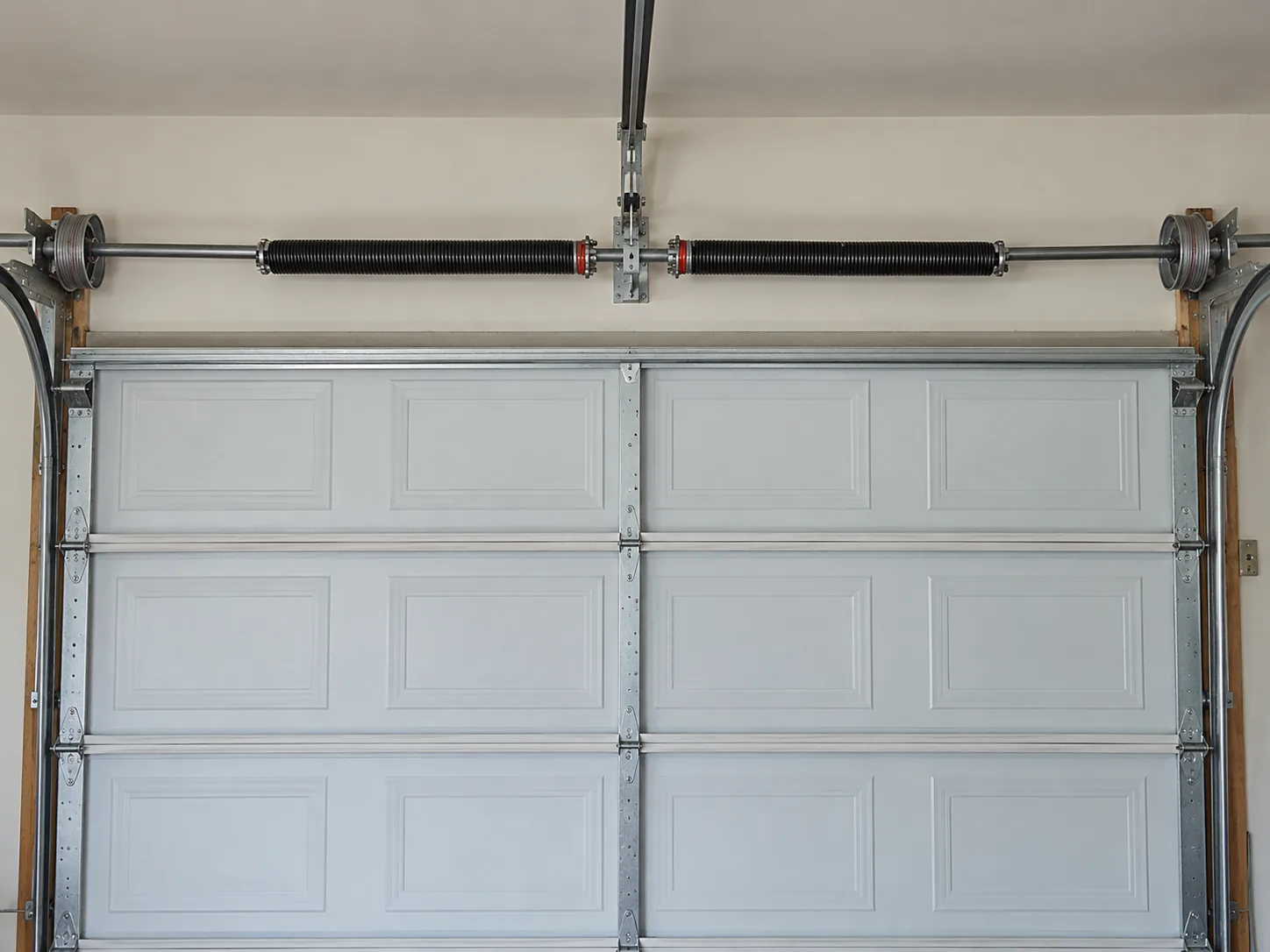
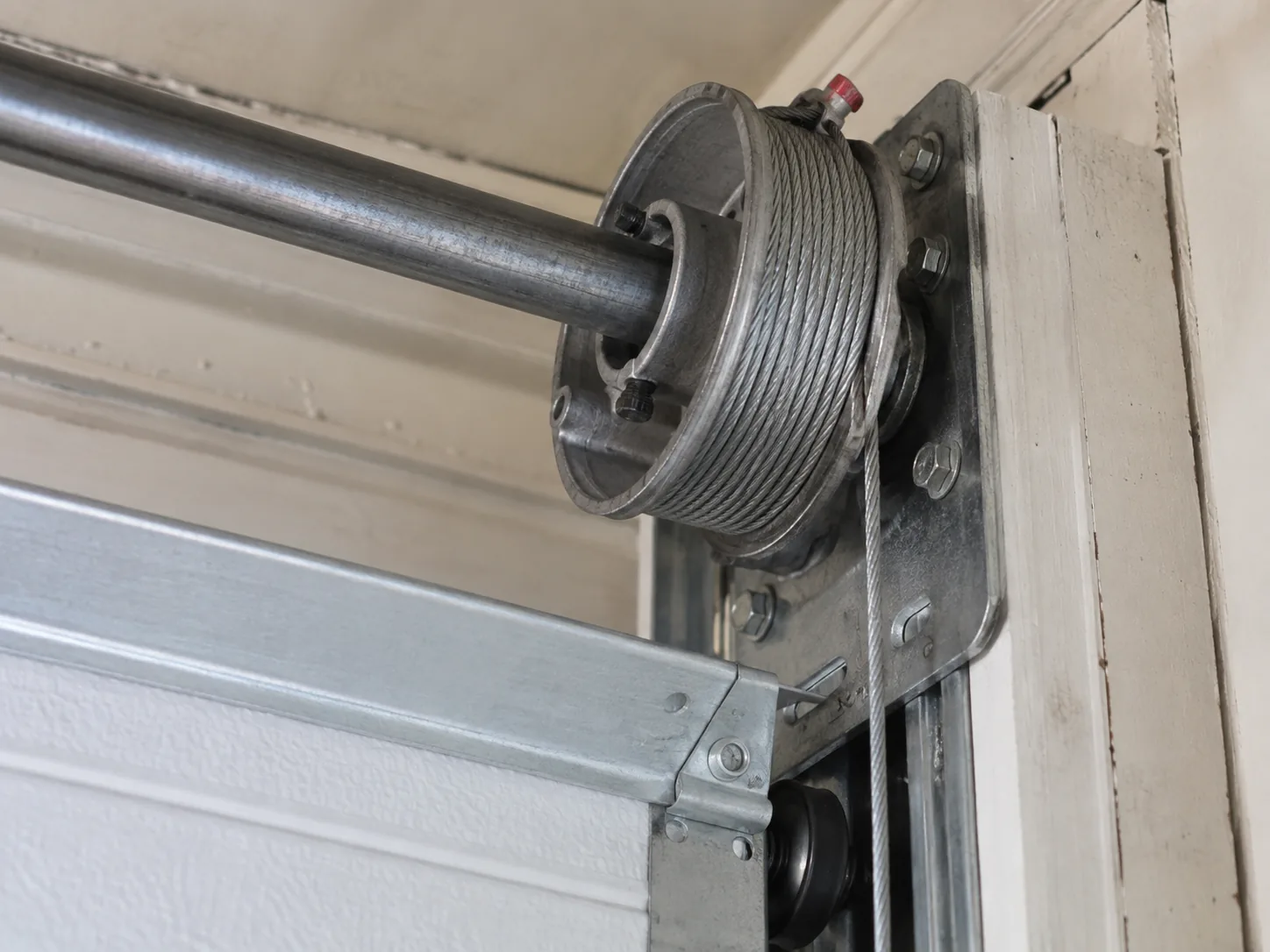
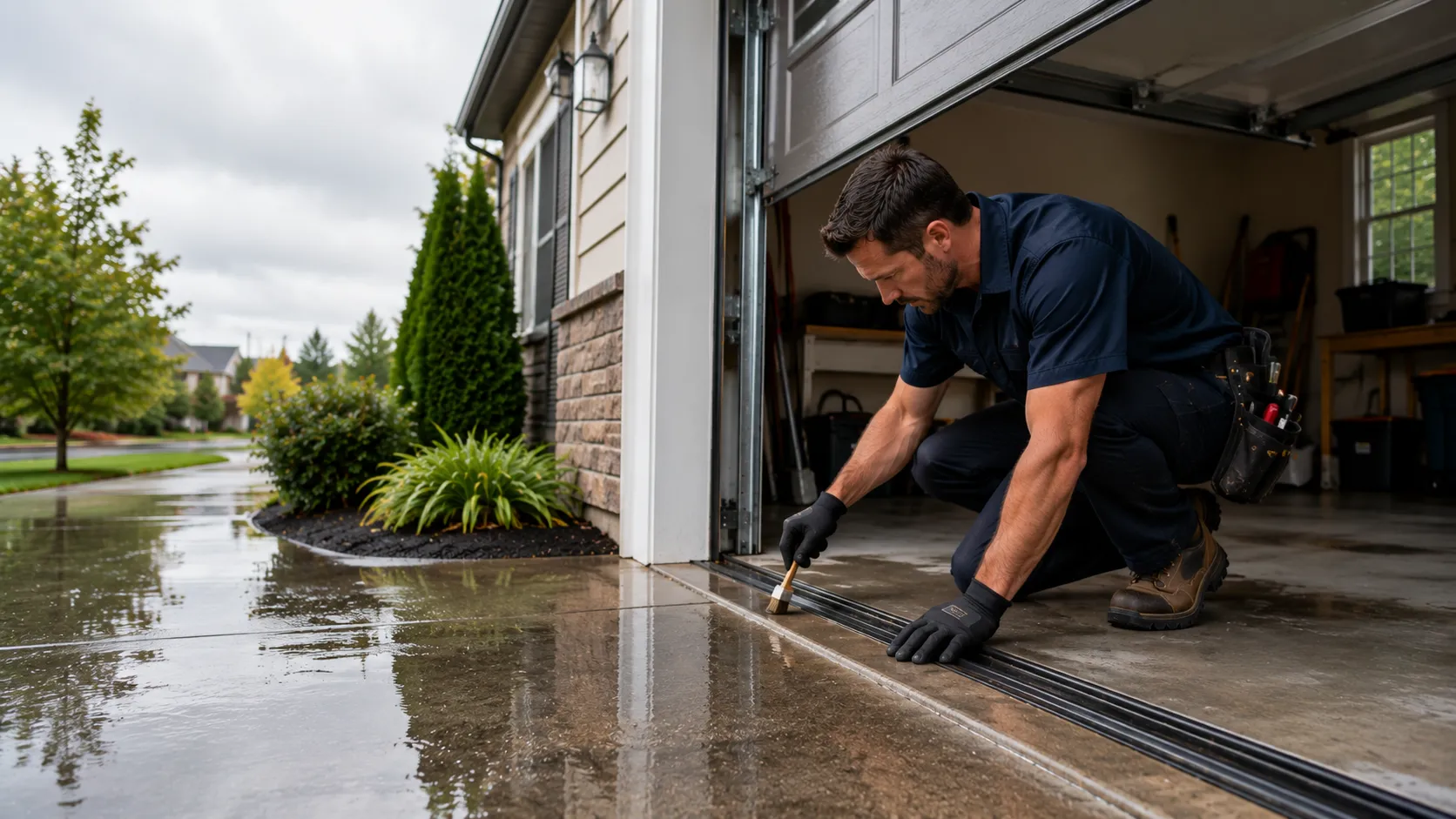
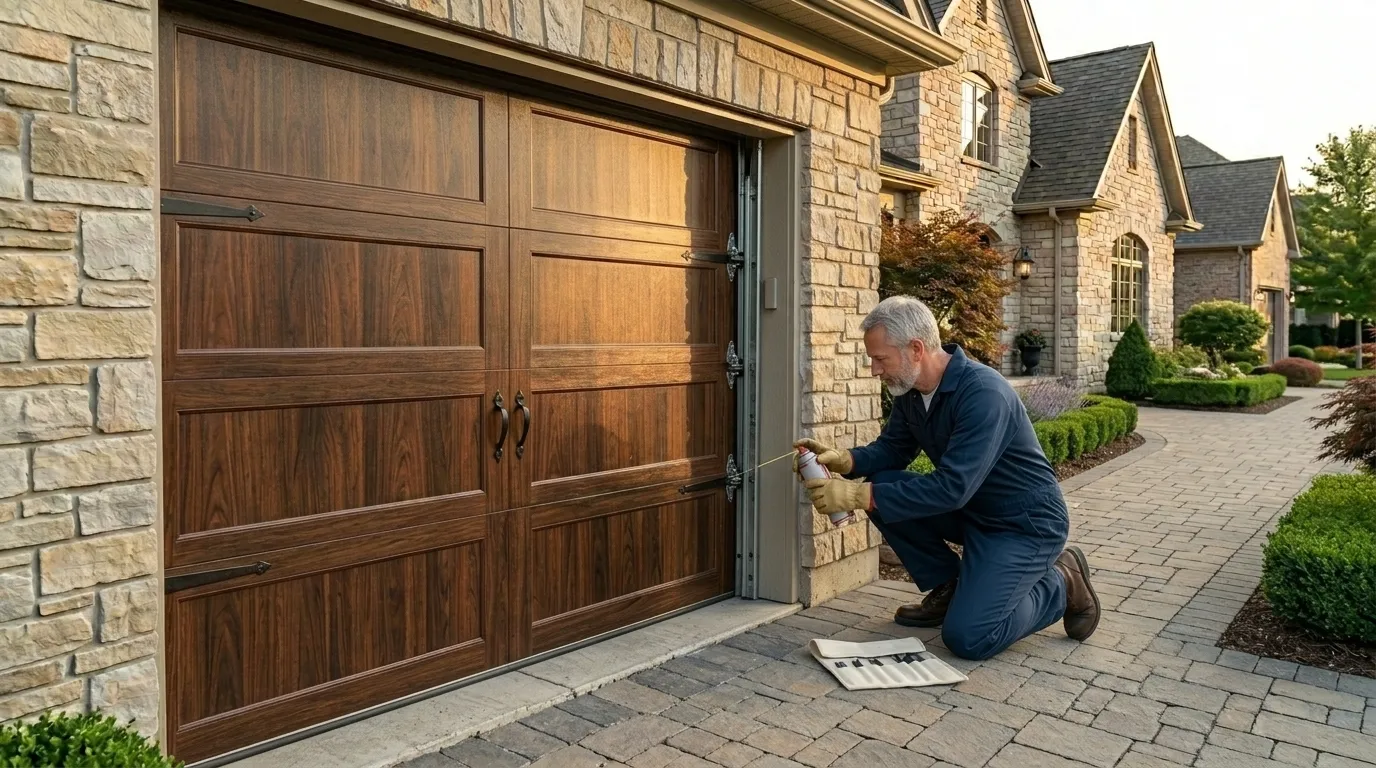
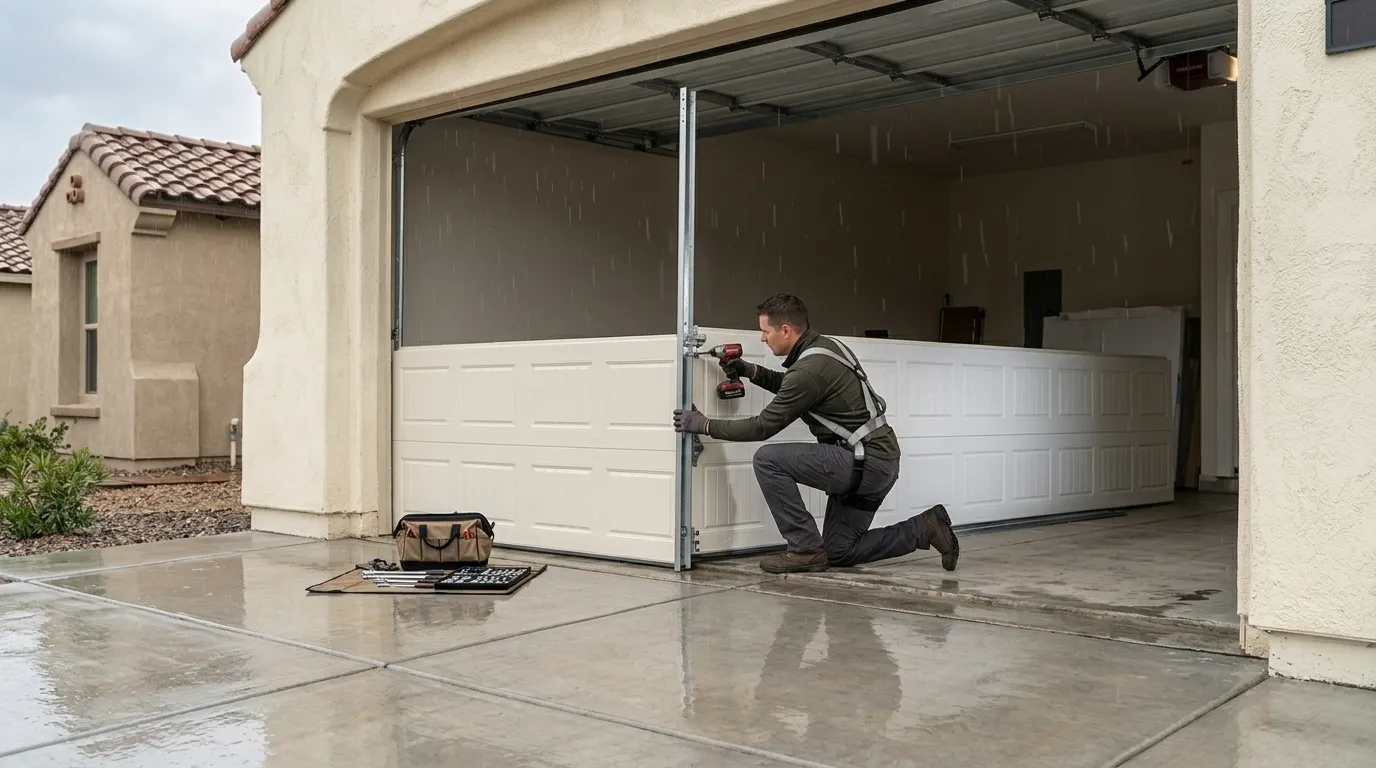
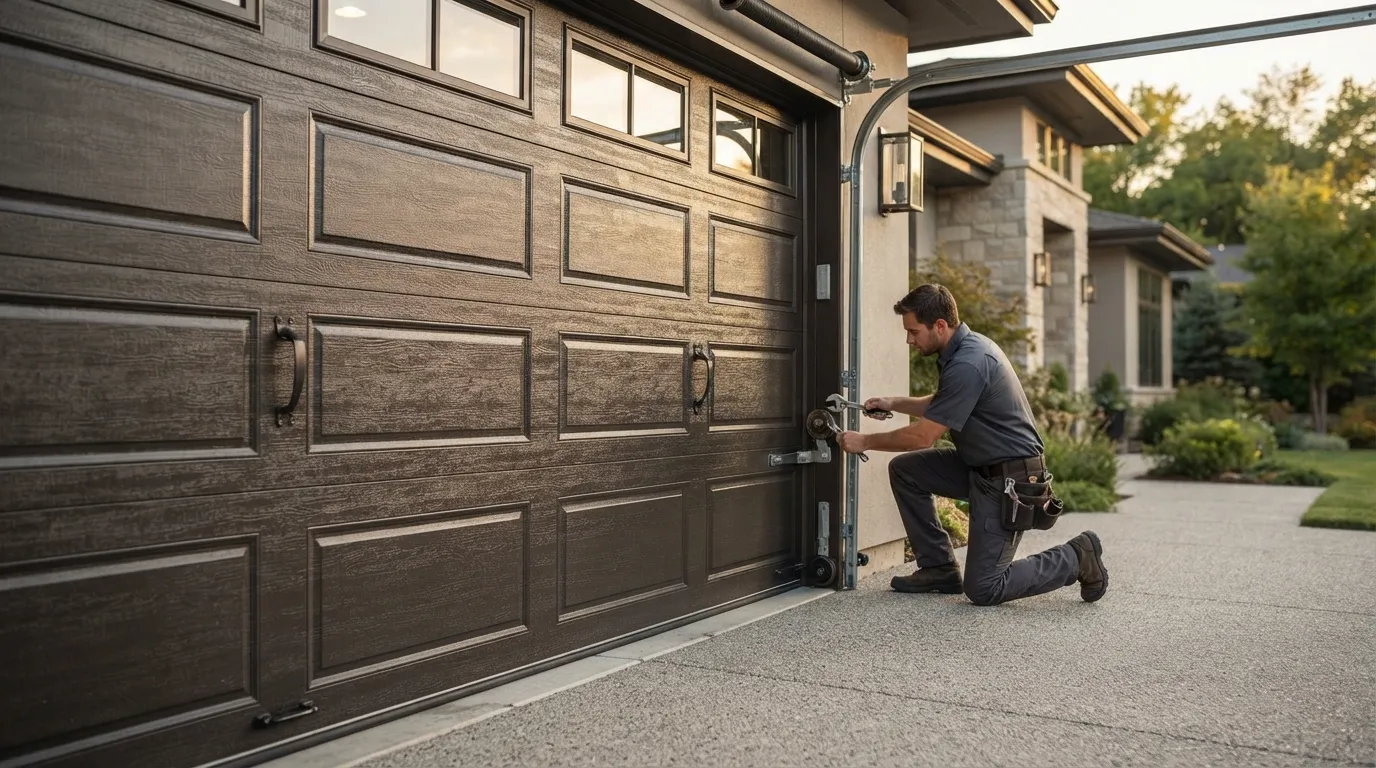
Springs fail on a cycle count, not a calendar, but the age of the door and the climate both push that number around. East Port Orchard's older stock - that 1978 median again - means more of these doors are on original or first-replacement torsion springs that have simply run out their rated cycles after four decades of opening and closing. The region sits in a mild climate band with occasional freeze (per regional climate data), which is gentler on hardware than a hard freeze-thaw climate would be, but moisture still finds its way into unsealed torsion bar ends and end bearing plates over that many years, and that's usually where we find the rust that finally lets a spring snap instead of wind down evenly. Houses built in the 80s and 90s elsewhere in the service area tend to have galvanized springs and better-sealed hardware from the factory; older East Port Orchard doors more often don't. None of this means the door is unsafe to own - it means the spring was overdue, and once one goes, the second one on a double-spring setup usually isn't far behind.