
Guide
How to Tell What a Port Orchard Garage Door Is Trying to Say
Grinding, popping, or slamming noises in Port Orchard garages usually trace to 1960s-90s hardware and our mild, damp climate. Here's what to check first.
Local detail
How Local Conditions Play In
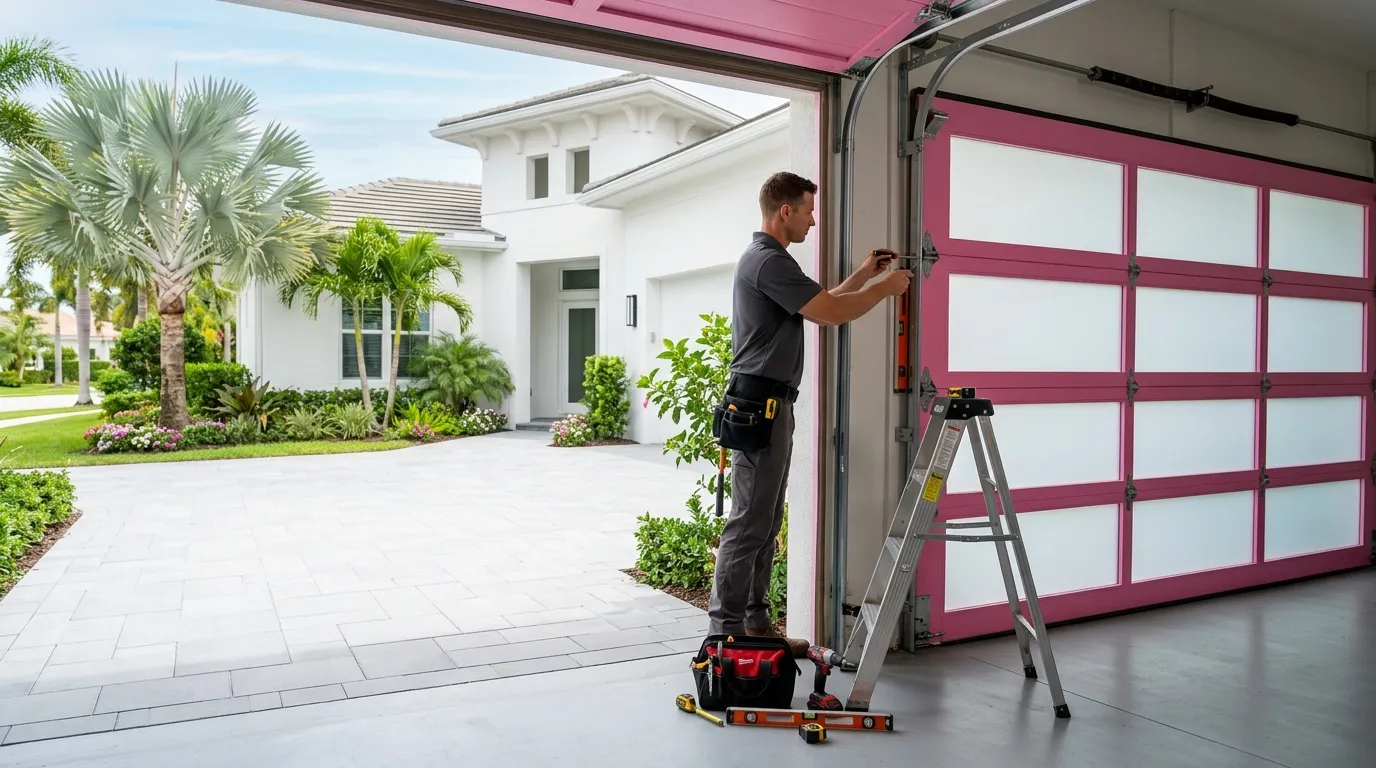
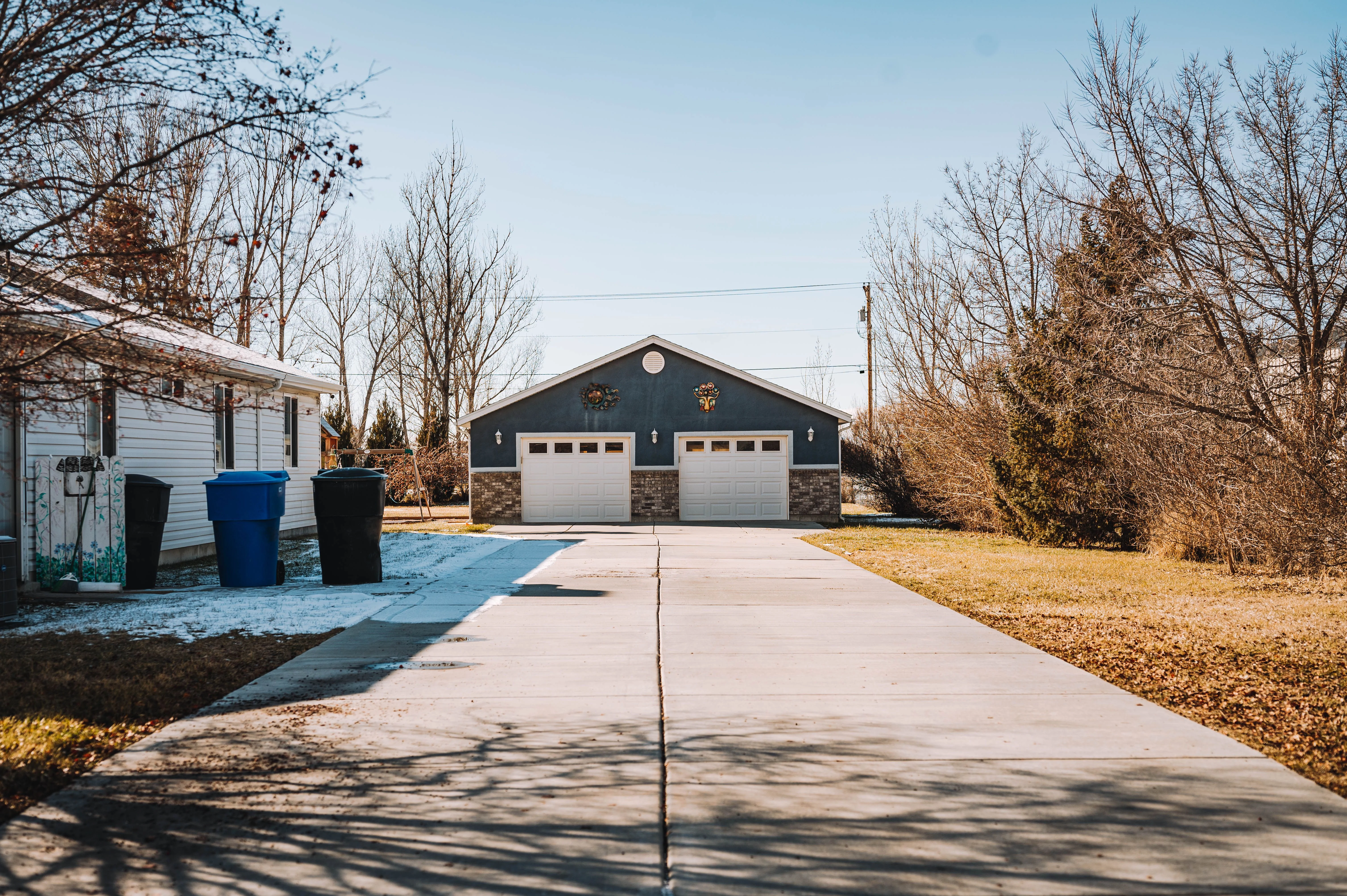
Most houses across the Port Orchard service area went up between 1962 and 1997, with the median build year landing around 1984. That one stretch of decades matters more than people think when a door starts making noise. A house built in 1984 has torsion springs and rollers that have been through three or four decades of Puget Sound weather, and the track alignment was set for hardware nobody sells in the same size anymore. Across the 20 named areas we cover, the bulk of the stock still dates to the 1980s and 90s, so the same generation of steel doors, extension springs, and single-inch tracks shows up call after call.
The climate band here is mild with occasional freezes, not the deep winters that snap springs outright, but the freeze-thaw cycle still tightens metal and swells wood door panels enough to change how a door sounds when it moves. None of this is dramatic weather. It's slow wear that shows up as sound long before it shows up as a door that won't open at all.
The area
The Problem
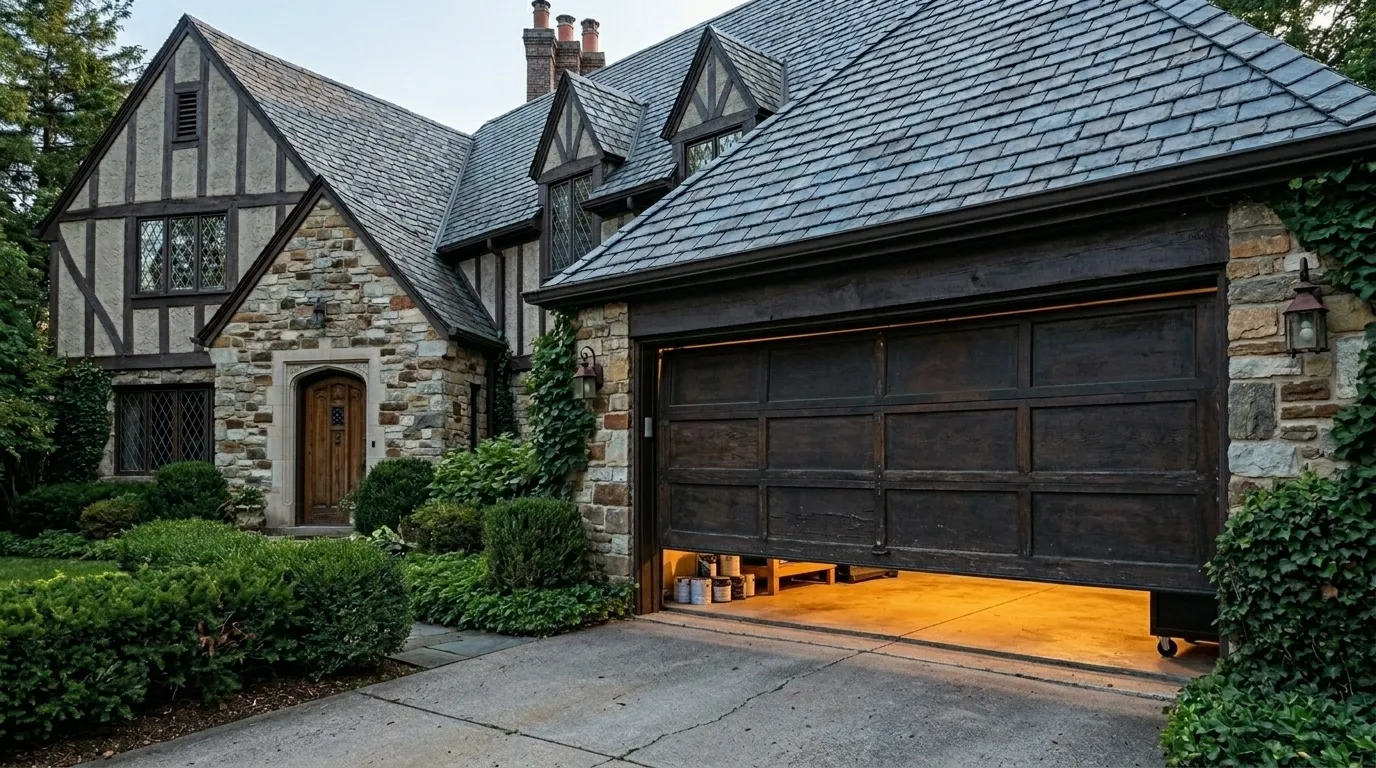
A grinding sound usually means a roller that outlived its bearing, common on doors installed when this side of town was built out in the 1970s and 80s. A rhythmic thump every few feet points to a bent track section. On a house from the 1984 median build year, that track has taken forty years of small hits from cars, bikes, and the door itself settling on original hardware.
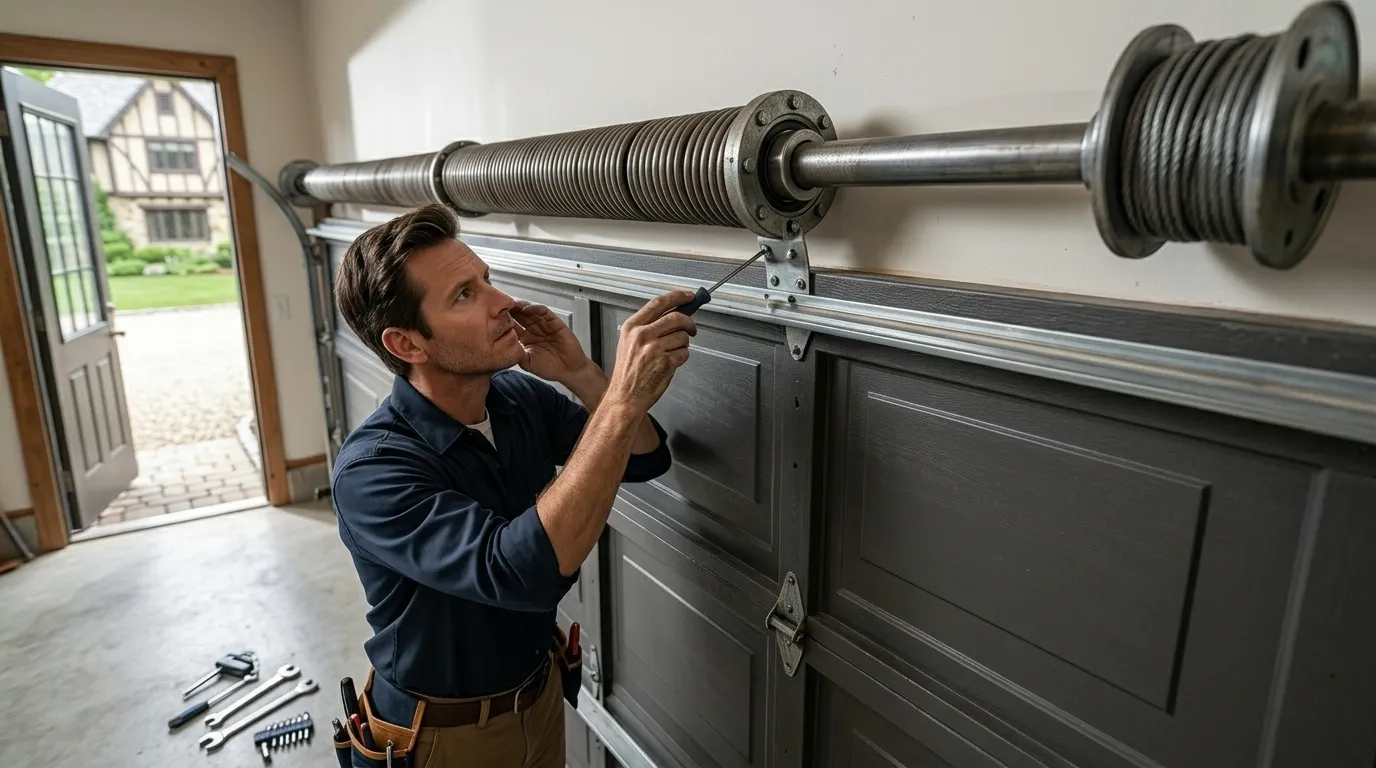
A loud bang followed by a door that won't move is almost always a broken torsion spring, and on this vintage of house, that spring has usually run through its full rated life already. Cold mornings make a different kind of noise: metal parts that shrank overnight groan and pop as they warm and expand, which shows up more here than in places with a true hard freeze, since our freeze-thaw cycles happen a lot but never go deep. A slamming door on the way down often means the opener's travel limits drifted, not a spring problem at all, and mixing those two up on the phone wastes a service call for everyone.
What we find
What to Check
Start by listening for where the sound happens, not just what it sounds like. A noise at the top corners near the opener is usually different from a noise along the track. Check the rollers first - spin one by hand if the door is open partway, and feel for flat spots or grinding instead of a smooth roll.
Look at the hinges between panels for stretched or elongated holes, which is common once a door passes thirty-plus years of daily cycles. Check the lift cables for fraying near the bottom bracket, especially on doors that haven't been serviced since they were installed in that 1962-1997 build window. On cold mornings, check whether the weatherstripping along the bottom has gone stiff, because a stiff seal drags and pops instead of sealing quiet.
Last, check the opener's travel limit settings if the noise only happens at the very top or bottom of the cycle - that's an adjustment, not a broken part. If you're not sure which of these is making the sound, that's a fair reason to call rather than guess.
How we work
The Cost of This Job
We don't have a flat number to hand you here. Cost on a noise call depends on what's actually making the sound, and guessing before we look would be dishonest. What we can tell you is what drives the number up or down.
A door on original 1980s-era rollers usually needs the full roller set replaced, not just the noisy one, since the rest are the same age and close behind. Torsion springs on a 1984-median-year house are almost always undersized thirty years past their rated cycles, so a spring swap is usually a full pair, not one. Track work is cheaper if it's alignment only, more if the track itself is dented and needs replacing.
With a median household income of $102,693 across the service area, most owners here choose to fix the specific part making noise rather than replace the whole door, unless the noise points to a spring or track failure that's about to take the opener with it. One honest limitation: if you describe the noise over the phone, we'll give you a rough idea of what it might be, but we won't quote a firm number sight unseen - too many of these calls turn out to be something different once we're standing in the garage.
Questions
Common questions
Why does my garage door squeak more on cold mornings?
Metal parts that cooled overnight groan as they warm and expand once the door starts moving. In this mild, occasionally-freezing climate that happens often but never goes deep, so it's usually a lubrication or roller issue rather than a sign the spring is about to fail.
Is a grinding noise always the spring?
No. Grinding is more often a worn roller bearing, especially on doors from the 1980s and 90s hardware that's common across this area. A broken spring usually announces itself with a single loud bang, not a continuous grind.
My door still opens fine but it's noisy - should I worry?
Yes, worth a look. On houses from the 1962-1997 build window, noise is usually the first sign of worn hardware, weeks or months before something actually fails and leaves the door stuck. Catching it early is cheaper and safer than waiting.
Can I just oil everything and see if the noise goes away?
Sometimes, if it's a dry hinge or roller. But oiling a cable that's fraying or a spring that's fatigued won't fix the real problem, and it can mask a sound you'd rather catch early. If oil doesn't quiet it within a day or two, it's worth a proper check.
Ready when you are
Need a garage door sorted in Port Orchard?
Port Orchard Garage Door Pros repairs and installs garage doors, springs and openers in Port Orchard, WA and the surrounding area.