
Guide
When a Torsion Spring Breaks in Port Orchard's Cold Snaps
Most Port Orchard houses date to the 1962-1997 building wave, and original torsion springs are aging out right as the yearly freeze hits. Here's what actually happens and what it costs.
Local detail
How Local Conditions Play In
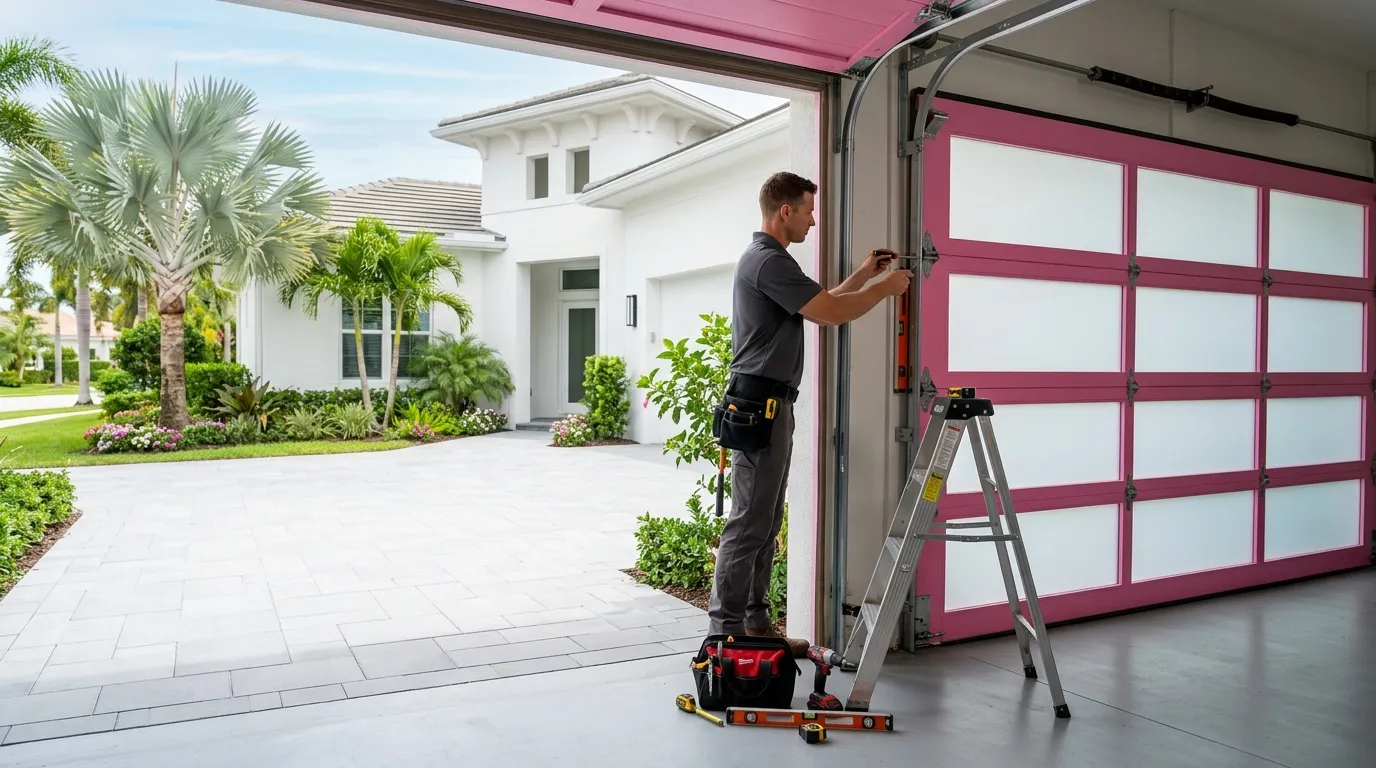
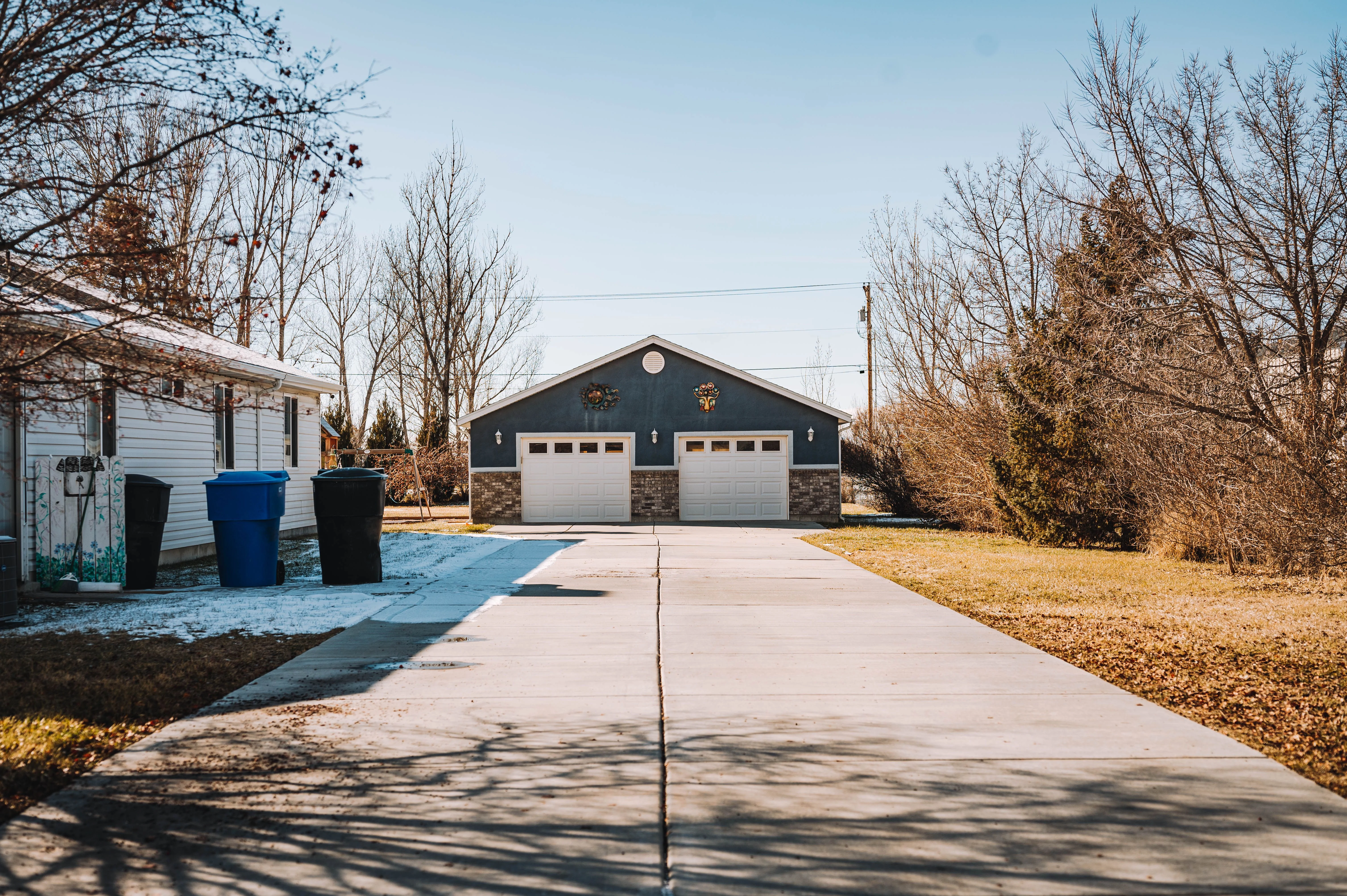
Most of the houses around Port Orchard went up between 1962 and 1997, with the median build year sitting around 1984. That means a lot of the torsion springs holding up garage doors in this area are original equipment pushing thirty to forty years old. Springs don't fail because of one bad day. They fail because thousands of open-close cycles have already worn the steel thin, and then a cold snap adds the last bit of stress that finishes the job.
Port Orchard's climate band is mild with only occasional freezes, not the deep, sustained cold that some parts of the country get. That actually works against homeowners here in one way: because hard freezes are rare, nobody thinks about spring behavior in cold weather until the one week a year the temperature drops enough for steel to contract and tension to shift. A spring that was already near the end of its life, wound tight since the Reagan administration, doesn't need much of a push.
This isn't a scare story about ice. It's about timing. The housing stock and the weather pattern here just happen to line up in a way that makes late-year mornings the most common time we get spring-broke calls.
The area
The Problem
When steel gets cold, it contracts slightly and loses a bit of flexibility. A torsion spring that's already fatigued from decades of cycling has less margin to absorb that change. The coil that used to compress and release smoothly starts to bind, and on the next cold morning when the opener pulls against it, it snaps instead of flexing.
You'll usually know it happened before you see it: a loud bang from the garage, then a door that either won't lift at all or feels like it weighs twice what it did yesterday. If it's a two-spring setup and only one broke, the opener might still lift the door partway before stalling, which is worse in a way, because people keep trying it and stress the opener motor and the remaining spring.
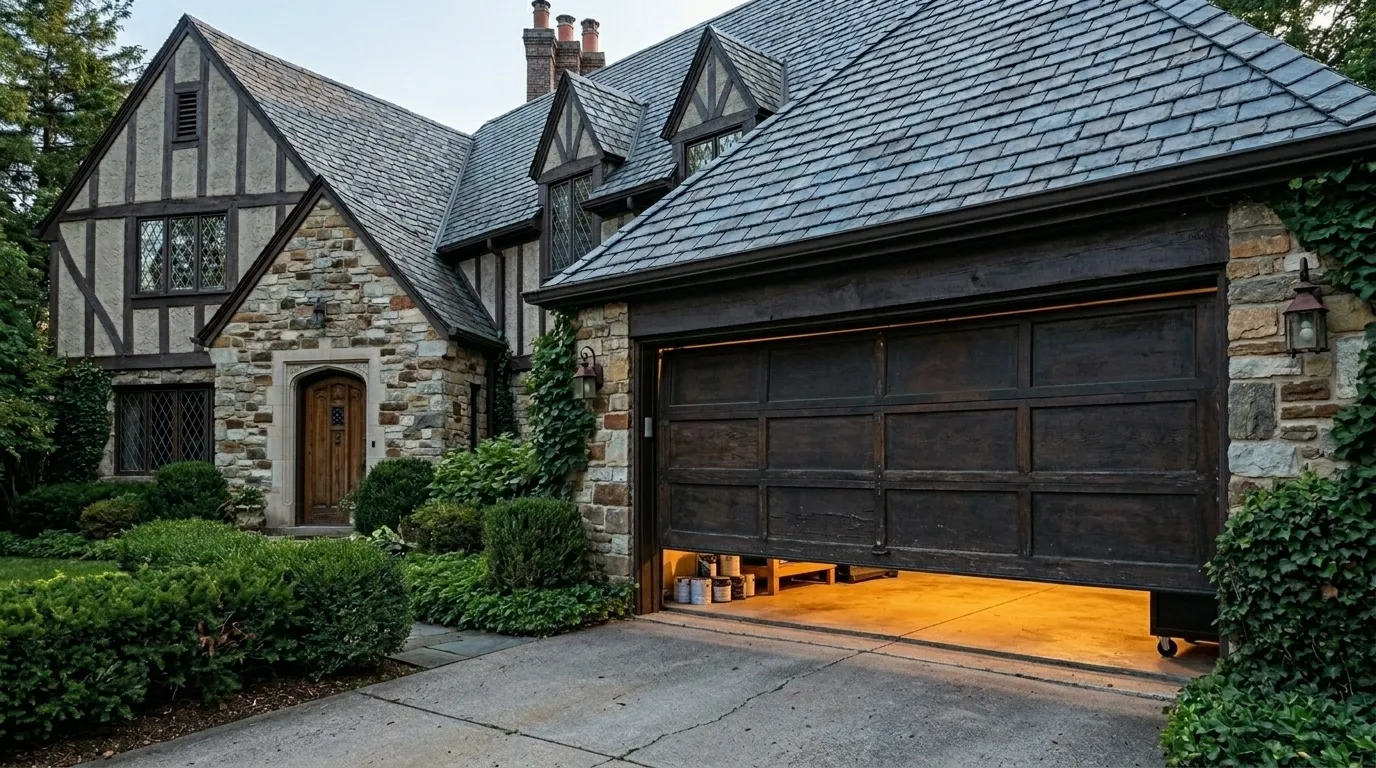
The part that surprises people is that the spring itself rarely gives warning. It doesn't creak for a week first. Given that most of the doors on original hardware in this area were installed in that 1962-1997 stretch, the springs on a lot of homes here are simply overdue, and a cold morning is often just the trigger, not the cause.
What we find
What to Check
Before you call anyone, a few checks tell you what you're dealing with. Look at the spring above the door - if it's a torsion spring on a shaft, check for a visible gap in the coil. A broken spring usually shows a clean separation you can see from the garage floor without touching anything.
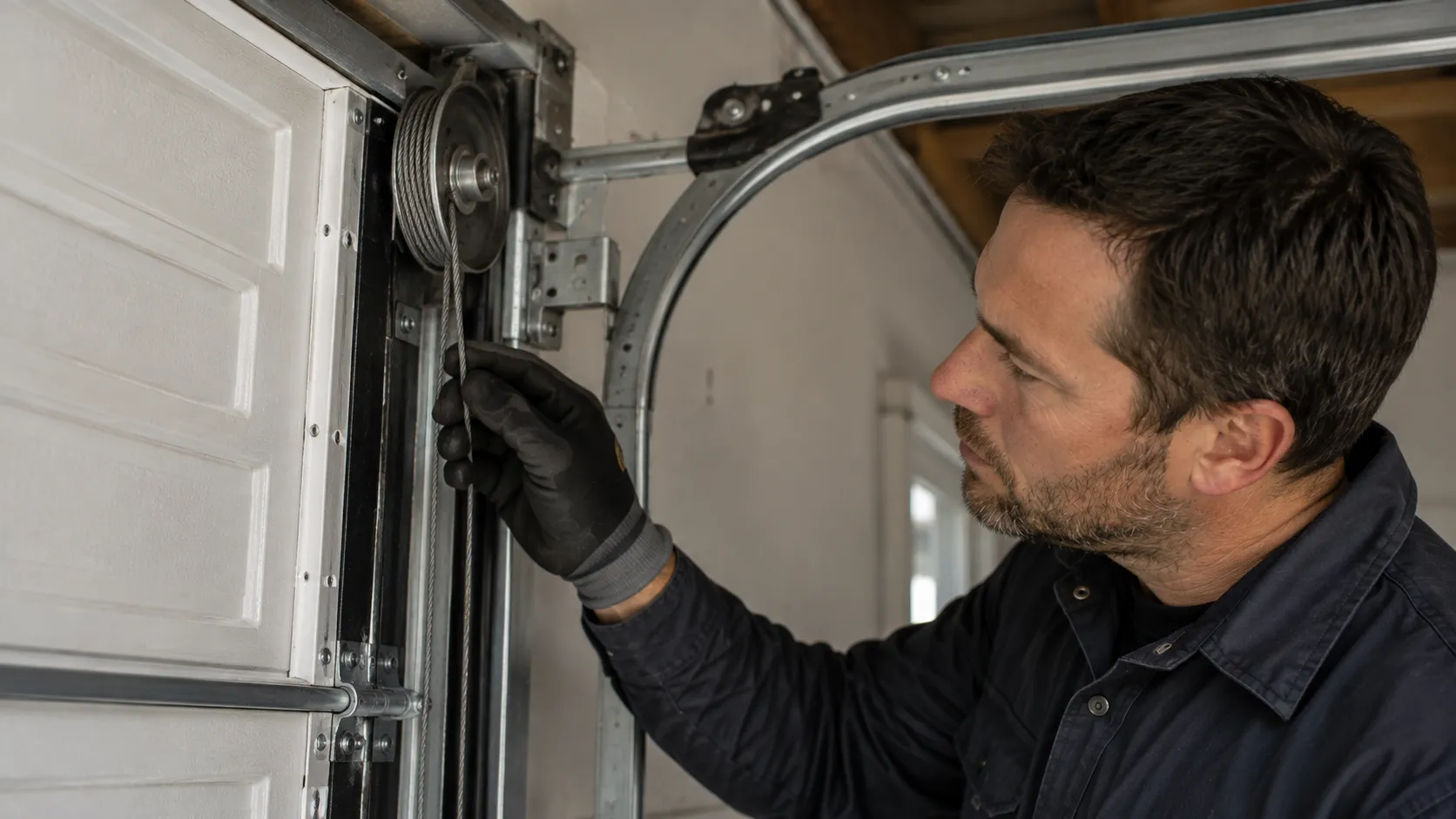
Check the cables next. If a spring snapped under tension, the sudden release sometimes kinks or slacks a cable, and a slack cable is its own hazard - don't pull the emergency release and let the door drop with a bad cable.
Try the balance test only if the spring looks intact: with the opener disconnected, lift the door halfway by hand. It should stay roughly in place. If it drops, the spring has lost tension even without a visible break, which is common on original 1960s-90s hardware that's simply worn out rather than snapped clean.
Don't try to rewind or adjust a torsion spring yourself. The tension stored in one of these is enough to break bones, and that's true whether it's an old original unit or a newer replacement. This is one job where the tools matter less than knowing how much force you're actually holding back.
How we work
The Cost of This Job
We don't have a set price to quote here without seeing the door, and any number we gave without that would be a guess dressed up as a fact. What we can tell you is what drives the cost: whether it's a single spring or a matched pair, whether the drums and cables also need replacing, and whether the door is original enough that the spring size is one we have to order rather than carry on the truck.
That last point is the honest limitation. Houses built early in the 1962-1997 wave sometimes used spring dimensions that aren't common stock anymore, and matching one exactly can mean a short wait rather than a same-day fix. We'd rather tell you that up front than promise a same-visit repair and miss it.
With a median household income of $102,693 across the area, we see plenty of homeowners choose full two-spring replacement over patching just one, especially on a door old enough that the second spring is clearly not far behind. It costs more that day. It usually means one visit instead of two.
Questions
Common questions
Why did my spring break on a cold morning specifically?
Cold steel loses a little flexibility, and a spring that's already fatigued from years of cycling has less give left. In Port Orchard's mild-with-occasional-freeze climate, that one cold stretch a year is often when an aging spring finally lets go, especially on original hardware from the 1962-1997 building wave common here.
Is it normal for my original spring to still be on the door after this many years?
Yes. A lot of the houses in this area were built between 1962 and 1997, median around 1984, and plenty still have original torsion hardware. It's not unusual - it's just aging out at roughly the same time across a lot of neighborhoods here.
Can I replace just the broken spring and leave the other one?
You can, but if both springs are the same age, the second one is usually close behind. We'd rather tell you that than have you call us back in six months for the matching side.
How fast can you get to a broken spring call?
That depends on the day and where you are relative to the shop, and it's not something we'll quote a number on here without knowing your specifics. Call and we'll give you a real answer, not a placeholder.
Ready when you are
Need a garage door sorted in Port Orchard?
Port Orchard Garage Door Pros repairs and installs garage doors, springs and openers in Port Orchard, WA and the surrounding area.