
Guide
What Actually Happens During a Port Orchard Service Call
A look at what our techs actually check on a Port Orchard service call, tied to the 1962-1997 housing stock and mild coastal climate that shape the work here.
Local detail
How Local Conditions Play In
Most houses on this side of the county went up between 1962 and 1997, with the bulk of the stock dating to the 1980s and 90s. That matters because a door installed in, say, 1986 has had close to forty years of cycles on its original hardware, even if nobody's touched it since. We're not dealing with brand-new builds where the spring is five years old and the track is still true.
The climate here is mild with occasional freeze, not the deep-freeze conditions that crack steel or the desert heat that dries out lubricant fast. That's a break for us in some ways - we don't see the extreme metal fatigue that shows up in colder regions - but the damp coastal air does its own slow damage. Moisture gets into spring coils and cable ends over the decades, and a door that looks fine can be seizing up from the inside. On a service call, we're checking for both: age-related wear from a door that's been running since the Reagan administration, and rust creep from sitting near Puget Sound air for that long.
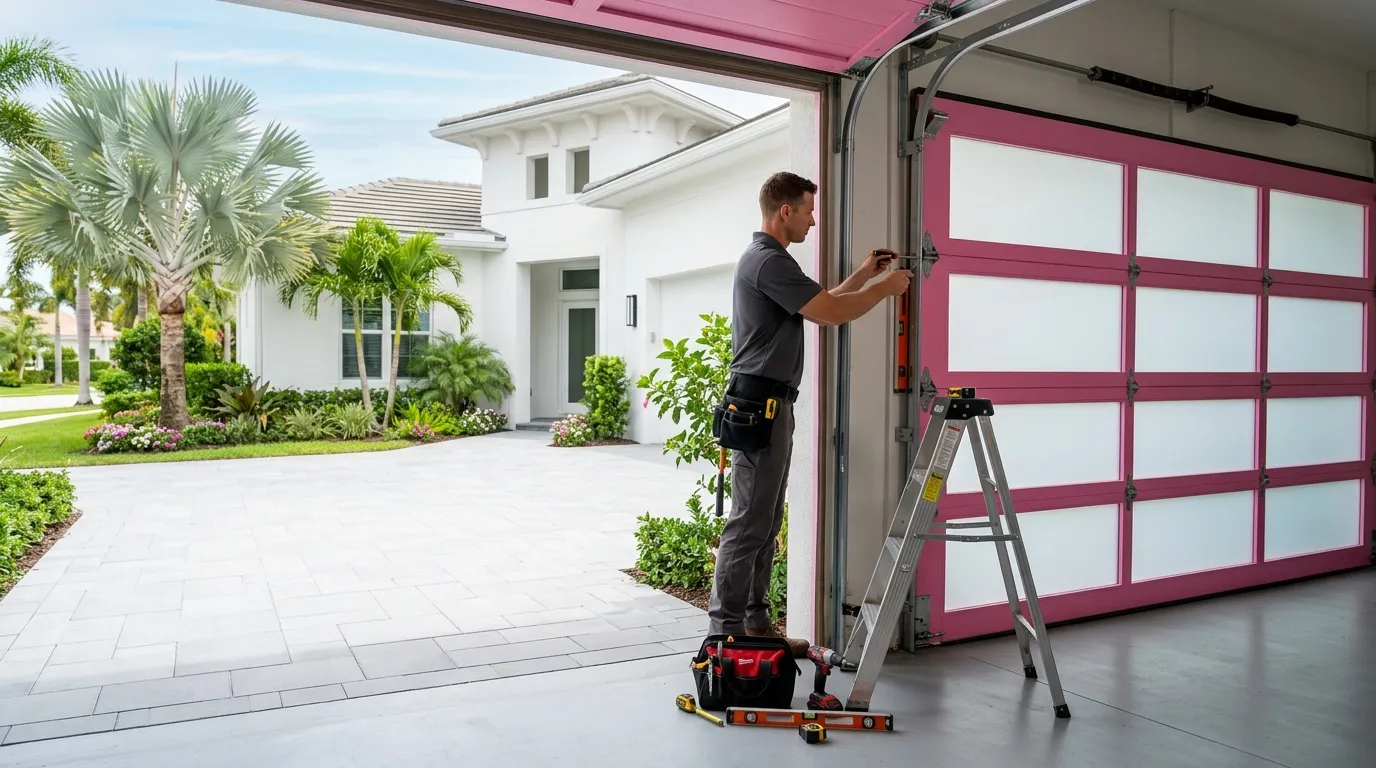
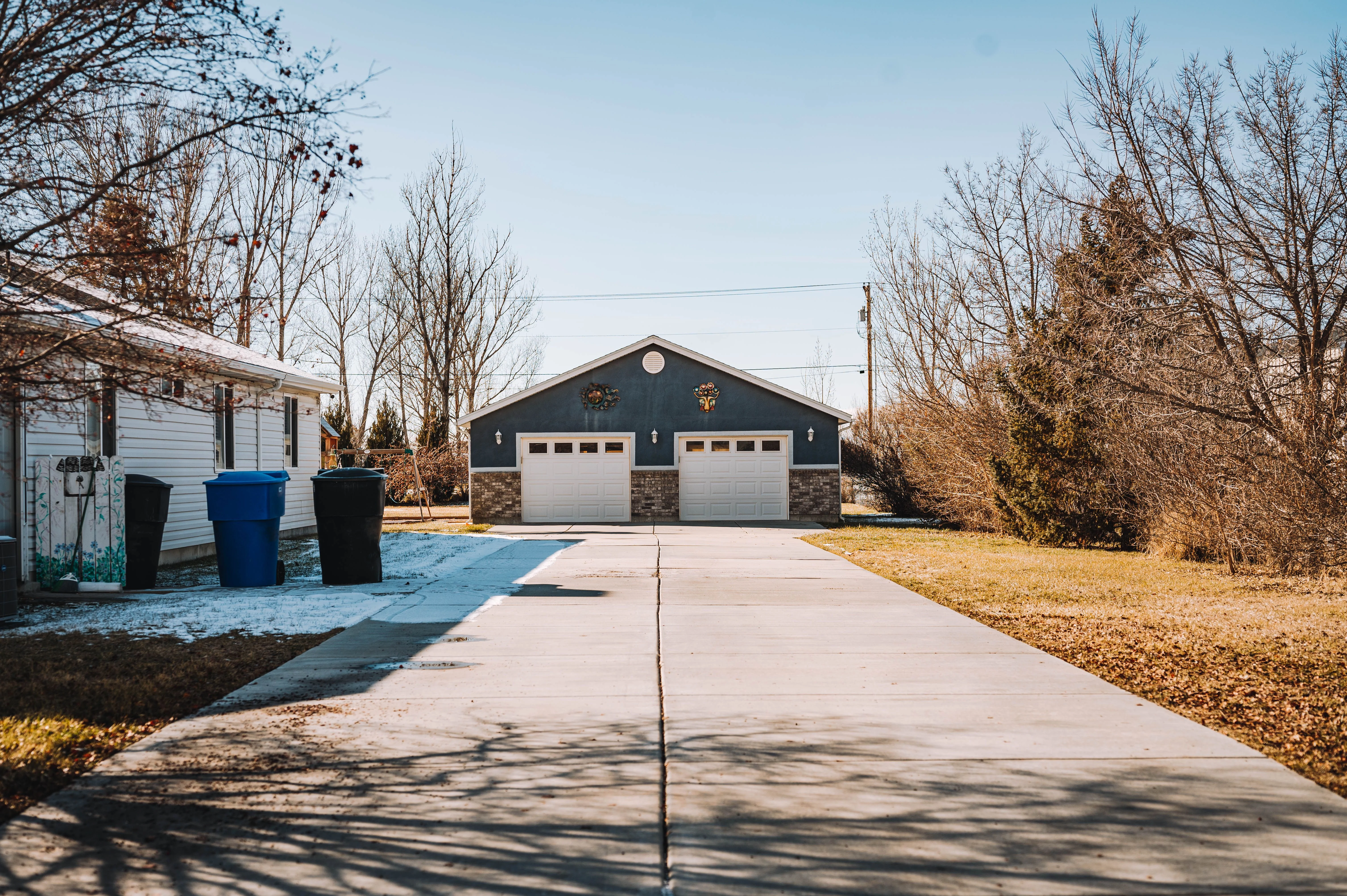
The area
The Problem
The doors we get called out for most are the ones original to homes built in that 1962-1997 window - a torsion spring or a set of rollers that's simply outlived its rated cycle count. Springs are rated in cycles, not years, but a door installed when the house was built and never serviced is often past due no matter how it looks from the driveway.
The other pattern we see: openers from the 80s and 90s stock swapped out once, maybe twice, while the door and track hardware stayed original. That mismatch - a newer opener straining against old, slightly bent track or a worn bottom bracket - shows up as grinding, uneven travel, or a door that reverses for no clear reason. It's not a defect in the new opener. It's the old hardware finally showing its age.
We won't pretend every noisy door needs a full replacement. Sometimes it's a $20 roller. But on a house this old, if one spring has gone, the other side is usually close behind, and we'll say so rather than replace one and send you off guessing.
What we find
What to Check
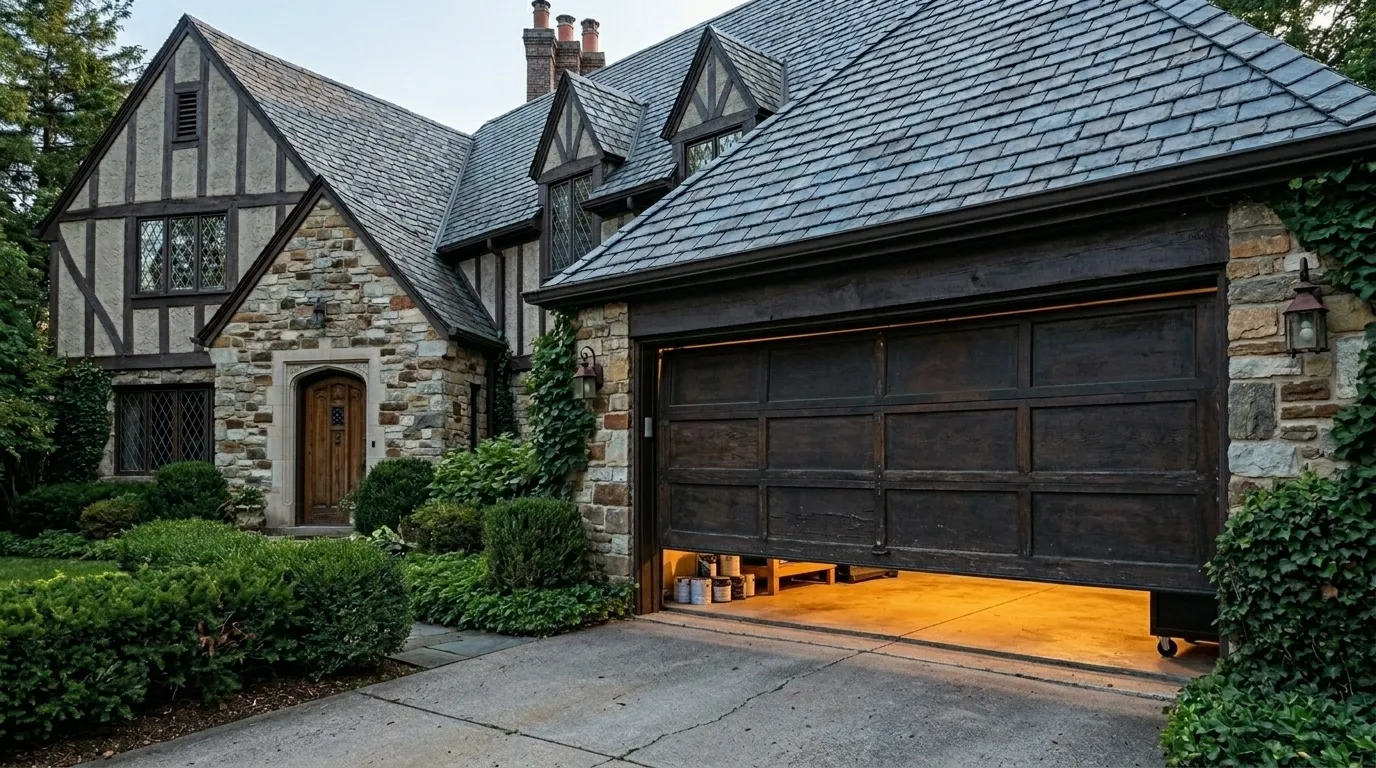
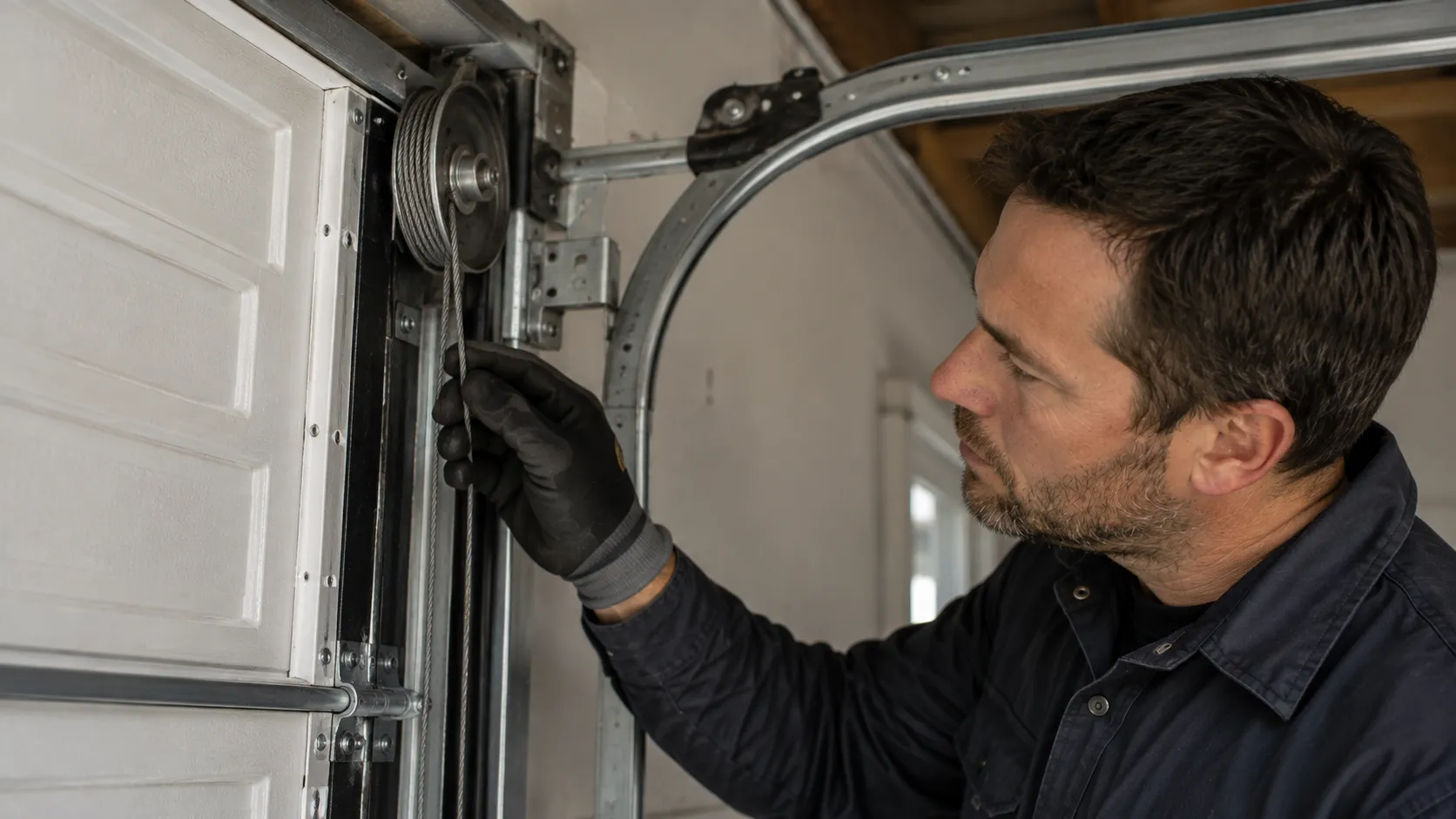
On a service call in this area, we start with the springs - torsion or extension, depending on when the door was installed - and count winds against what the door's weight calls for. Then the cables, since coastal moisture works on wire the same way it works on anything else metal left outdoors for decades.
Next is the track alignment and the rollers. On houses from the 1962-1997 build era, steel rollers were standard before nylon became common, and steel wears louder and rougher over time. We check for flat spots and bent track sections, especially near the bottom where cars clip them.
We also check the opener's force settings and the safety reversal sensors, since older units in this housing stock sometimes predate current sensor requirements and were never retrofitted. Last, the weatherstripping at the bottom panel - with mild, someFreeze winters here, it's usually UV and moisture wear rather than ice damage, but it still fails and lets in water.
How we work
The Cost of This Job
We don't have a flat number to hand you here, because what a service call turns into depends on what we find once the door's open - and on a house from the 1962-1997 era, that can be anything from a ten-minute roller swap to a full spring and cable job. What we can tell you is how we price it: we diagnose first, quote before we touch anything beyond the inspection, and we don't pad a job with parts you don't need.
One honest limitation: if your opener is old enough that replacement parts aren't stocked anymore, repair sometimes costs more than a new opener, and we'll tell you that instead of chasing a part that won't hold. With a service area this size - over 43,000 households and a good share of owner-occupied homes built in that same window - we see this exact call often enough to know when fixing it is worth it and when it isn't.
Questions
Common questions
Why does my garage door from the 80s make noise it never used to?
Steel rollers and original hardware from that era wear gradually, and after several decades the wear finally becomes audible. It's usually a roller or bearing issue rather than anything structural, but on a door this old we check the springs at the same time since they tend to fail around the same age.
Does the coastal weather here actually damage garage doors?
Not the way freezing climates do. Our winters are mild with occasional freeze, so we don't see cracked steel from deep cold. What we do see is slow rust and moisture working into springs and cable ends over years, especially on doors original to older homes.
Do you replace the whole door or just fix what's broken?
We fix what's broken when that's the sound call. On houses from the 1962-1997 era, if one spring has failed, we'll flag that the other is likely close behind, but we won't replace a door that only needs a spring and roller service.
Ready when you are
Need a garage door sorted in Port Orchard?
Port Orchard Garage Door Pros repairs and installs garage doors, springs and openers in Port Orchard, WA and the surrounding area.